 Yash Sharma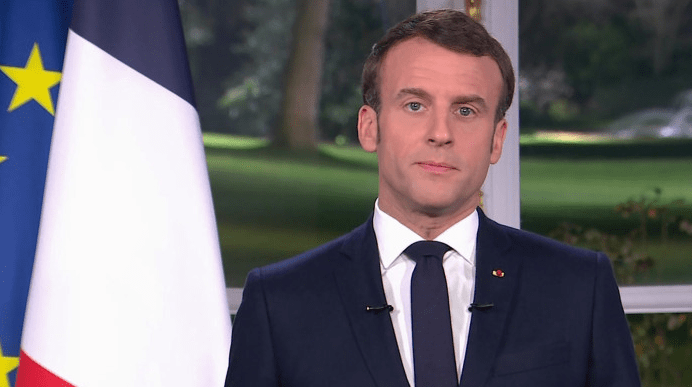
A leader outside old party lines
Emmanuel Macron rose to power in 2017 with a path few had taken before. He won the presidency without backing from the main parties of the Fifth Republic. At 39, he became the youngest French head of state since Napoleon I. He secured a second term in 2022, a rare result in recent French politics. His rise showed voter fatigue with old party systems and a shift toward centrist ideas.
Early life and academic track
Macron was born in Amiens in 1977. He grew up in a family of doctors with liberal views. He studied at Sciences Po and later trained at École Nationale d’Administration. These schools shaped many French leaders. His training focused on public policy, economics, and statecraft. This background helped him move with ease between public service and finance.
Shift from public service to banking
Macron began as a finance inspector in the Ministry of Economy. In 2008, he left for the private sector. He joined Rothschild & Cie Banque as an investment banker. He worked on major deals, including a high-value transaction involving Nestlé and Pfizer. This role built his profile in global finance. It also gave him insight into market systems and corporate strategy.
Entry into national politics
Macron entered frontline politics through François Hollande. He served as an economic adviser and later as finance minister. In that role, he pushed reforms to open parts of the economy. His plan, known as the Macron law, aimed to ease rules on business activity. It faced strong pushback from within the ruling party. Prime Minister Manuel Valls used Article 49 to pass the bill. This move showed deep divisions in French politics.
Launch of En Marche and election win
In 2016, Macron founded En Marche!. He framed it as a new path beyond left and right. He declared his candidacy months later. The 2017 election field was crowded. Key rivals faced internal issues. Macron gained support from moderates across parties. He faced Marine Le Pen in the final round and won by a wide margin. His win marked a break from the old two-party pattern.
First term marked by reform and unrest
Macron began his term with a strong majority in parliament. He pushed labor and tax reforms. He also worked with leaders like Angela Merkel on European policy. At home, protests challenged his agenda. The “yellow vest” movement opposed a fuel tax plan. The protests spread across the country and forced the government to step back. This period showed the limits of reform without broad support.
Pandemic response and policy shiftThe COVID-19 crisis forced a change in policy focus. Macron’s government imposed lockdowns and supported jobs through state programs. France saw a large number of cases but managed recovery with strong health and labor measures. Fiscal discipline took a back seat during this period. The crisis reshaped economic priorities and public expectations.
Second term begins with weaker mandate
Macron won reelection in 2022 but with a narrower margin. Soon after, his coalition lost its majority in parliament. This made lawmaking harder. The government relied on Article 49.3 to pass key bills. One major reform raised the retirement age from 62 to 64. The move led to protests and political tension. Yet the law passed after failed no-confidence votes.
Leadership changes and new strategy
In 2024, Macron named Gabriel Attal as prime minister. At 34, Attal became the youngest to hold the post. The change aimed to refresh the government’s image. It also signaled a push to connect with younger voters and rebuild support.
Snap election gamble and political risk
After strong gains by the far right in European polls, Macron called a snap parliamentary election. The move surprised many. His goal was to force a clear choice between centrist and far-right paths. The decision carries risk. A weak result could lead to cohabitation, where the president must share power with rivals.
Outlook for Macron’s presidency
Macron’s leadership shows a blend of reform ambition and political strain. He changed France’s party map and pushed a centrist model. Yet public resistance and a divided parliament limit his scope. His second term will depend on managing these pressures while keeping France active on the European stage.
FAQs
1. When did Emmanuel Macron become president?
He first became president in 2017 and won reelection in 2022.
2. What is En Marche?
It is Macron’s political movement, founded in 2016 to challenge traditional parties.
3. Why were the yellow vest protests important?
They forced the government to drop a fuel tax and showed public anger over economic policy.
4. What is Article 49.3?
It allows the French government to pass a law without a full vote in parliament, unless a no-confidence motion succeeds.
5. What is the main challenge in Macron’s second term?
He must govern without a full majority while managing reforms and public opposition.

 Arise Times