 Sakshi Singh
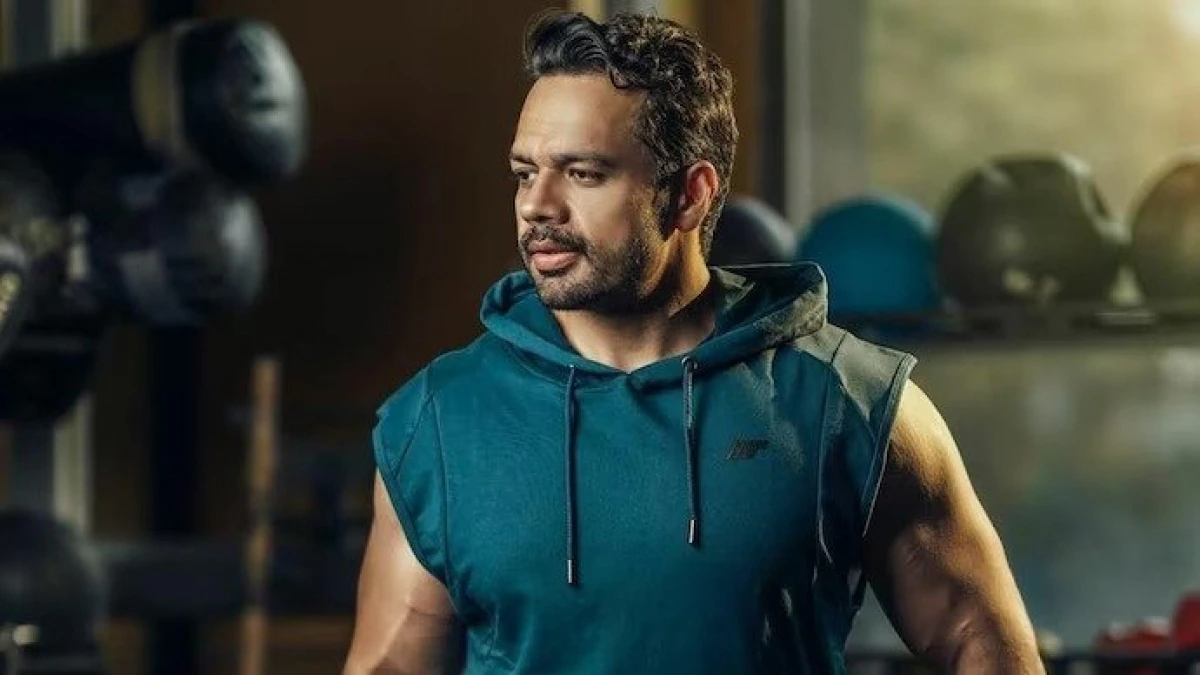
Ecommerce, retail and consumer tech in India often follow two extremes. At one end sit global fitness brands with high prices. At the other are low-cost local products with uneven quality. Pallav Bihani, founder of Boldfit, is building a business aimed at the space between the two.
At 29, Bihani leads a profitable direct-to-consumer fitness brand that sells equipment and accessories across India. In FY24, Boldfit reported revenue of nearly ₹140 crore. The company now runs at an estimated ₹300 crore annual revenue pace for FY25.
The business began with a personal problem.
A Health Crisis That Changed Direction
In 2012, Bihani suffered a slipped disc while still in school. Doctors advised weight loss to avoid surgery. At the time, he weighed over 105 kilograms. The warning was clear. Either he changed his lifestyle or faced long-term health risks.
He chose change.
Over the next three years, Bihani followed a strict fitness routine. He lost nearly 30 kilograms. Fitness moved from obligation to habit. It later became interest, then focus.
This shift shaped his next steps.
After school, Bihani worked in his family’s medical equipment and pharmacy business in Bengaluru. The exposure helped him understand supply chains, sourcing and margins. It also showed him how health products reached customers.
By 2018, he saw an opportunity beyond the family business.
The Idea Behind Boldfit
Bihani noticed a pattern in India’s fitness market. Premium international brands sold high-quality products at prices out of reach for most buyers. At the same time, many local brands competed only on price. Quality often suffered.
He believed the market needed a middle option.
Boldfit launched in 2018 as a D2C fitness and sports brand. It began with just two yoga mats. The goal was simple. Offer reliable quality at prices ordinary consumers could afford.
Bihani often describes Boldfit as a solution, not an add-on. In his view, the brand solved a clear gap between cost and aspiration.
Bootstrapped Growth in a Competitive Market
Boldfit started with a ₹10 lakh loan from Bihani’s father. The company did not raise outside capital in its early years. Growth came through product expansion, online marketplaces and direct sales.
The brand added resistance bands, gym gloves, skipping ropes and recovery tools. Each product focused on durability, clean design and pricing that stayed within reach of first-time fitness buyers.
Online platforms helped Boldfit scale. Marketplaces offered reach. Social media helped with discovery. Repeat purchases drove steady growth.
By December 2023, Boldfit shipped over one million fitness products in a single month. The company reached customers across metros and smaller cities.
Funding After Proving the Model
After six years of bootstrapped operations, Boldfit raised its first major institutional round in November 2024. The company secured $13 million in funding led by Bessemer Venture Partners.
Before this round, Boldfit had raised $8.37 million from angel investors, including Indian cricketer KL Rahul.
The funding marked a shift. It allowed the company to invest more in product development, branding and supply chain scale.
Investors point to Boldfit’s speed and focus. Anant Vidur Puri, partner at Bessemer Venture Partners, has said the company built a large online-first sports brand in a short time. He also sees the market as large and still underpenetrated.
Profit Before Scale
Unlike many consumer brands, Boldfit prioritised profitability early. The company reported profits in FY24 while continuing to grow.
This approach shaped internal decisions. Product launches stayed measured. Marketing spend remained controlled. Inventory planning focused on demand data, not hype cycles.
Bihani believes this discipline helped the brand survive price pressure and competition.
Building a National Identity
Boldfit now operates from Bengaluru. Its product range spans yoga, strength training and home workouts. The customer base includes beginners, regular gym users and home fitness buyers.
Bihani’s long-term goal goes beyond sales. He wants Boldfit to become a recognisable Indian fitness brand, much like how other countries associate sports brands with national identity.
He often cites global examples. Germany has Puma. The United States has Nike. Japan has Onitsuka Tiger. France has Decathlon. His aim is for India to have a comparable homegrown brand.
The Road Ahead
Boldfit plans to expand its catalogue and improve sourcing. The company is also investing in packaging, customer service and offline visibility. While ecommerce remains core, selective retail presence may follow.
The Indian fitness market continues to grow. Awareness around health, home workouts and preventive care has increased since the pandemic. Demand now comes from smaller cities as well as metros.
Boldfit operates in a crowded space. Competition remains intense. Price pressure is constant. Still, the brand’s position between premium and budget gives it room to operate.
For Bihani, the journey links personal change with business focus. Fitness shaped his life before it shaped his company.
As ecommerce and consumer tech evolve, Boldfit stands as an example of how a clear gap, steady execution and controlled growth can build a durable brand.
FAQs
Q1. Who is Pallav Bihani?
Pallav Bihani is an Indian entrepreneur and the founder of Boldfit, a fitness and sports products brand.
Q2. What is Boldfit?
Boldfit is a direct-to-consumer fitness brand that sells affordable fitness and sports accessories in India.
Q3. How old is Pallav Bihani?
He is 29 years old.
Q4. What was Boldfit’s revenue in FY24?
Boldfit reported revenue of nearly ₹140 crore in FY24 and operates profitably.