 Sakshi Singh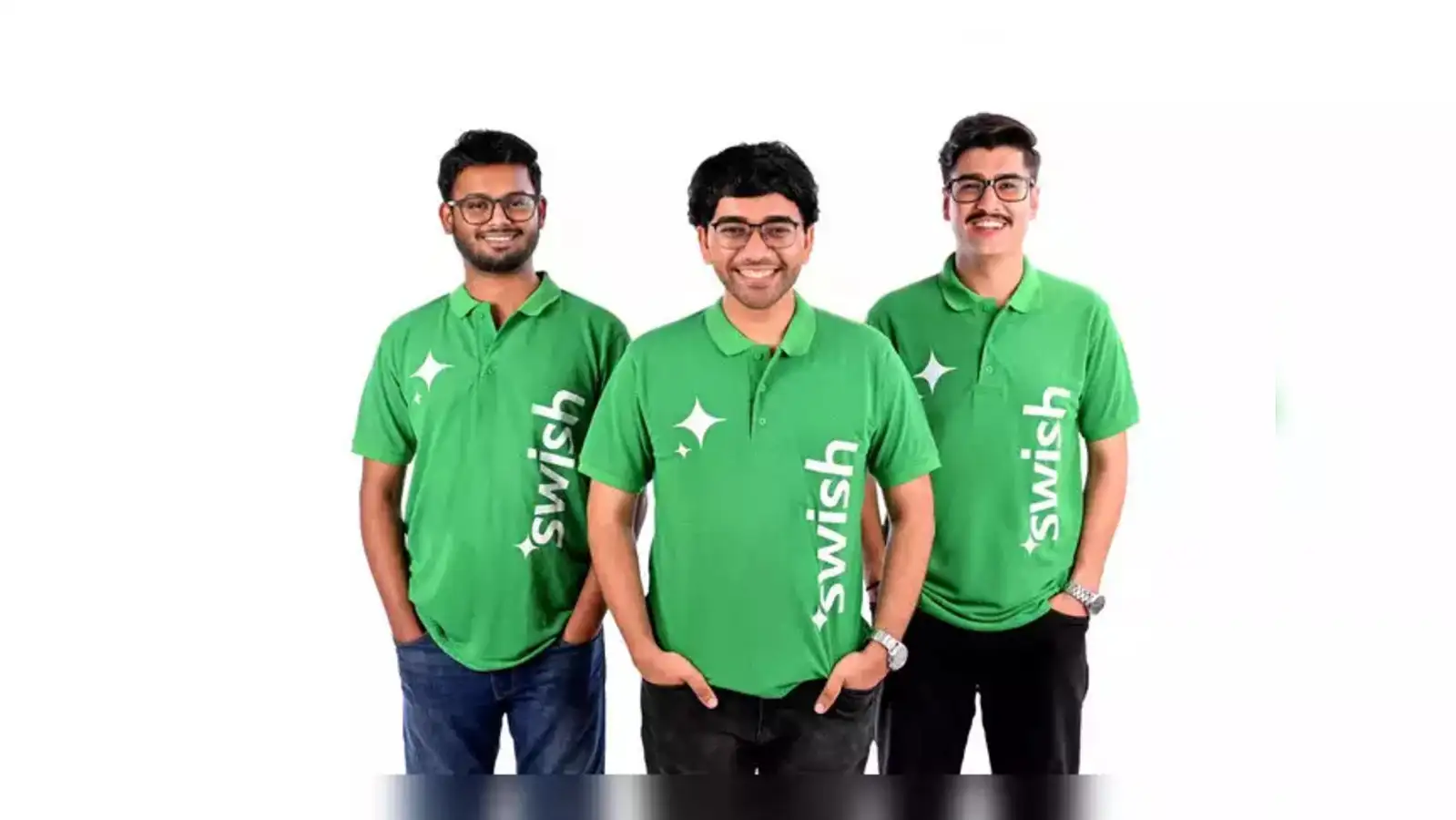
Ecommerce, retail and consumer tech in India has seen fast growth in quick commerce and food delivery. Swish is entering this space with a focused model. Founded by Aniket Shah, Ujjwal Sukheja and Saran S, the startup aims to deliver freshly prepared food in 10 minutes by owning the entire process.
Swish began operations in August 2024. The founders are 25, 24 and 24 years old. The company operates cloud kitchens in Bengaluru and serves customers within a tight delivery radius of 1.5 to 2 kilometres. The goal is simple. Control food quality and speed by managing everything in-house, from cooking to delivery.
The idea came from a basic question.
Asking What Was Missing
Before launching Swish, Aniket Shah spoke to many consumers in Bengaluru. He did not ask if food could reach homes in 10 minutes. That had already been tested by several players. His question focused on process. Was the food cooked right? Did quality drop during delivery? Did the experience feel complete?
The answers shaped Swish.
Shah believed that fast delivery only works if one company controls the full food stack. That includes sourcing, cooking, packaging and last-mile delivery. Outsourcing any layer, he felt, created gaps in quality and timing.
A First-Party Food Model
Swish follows a first-party approach. The company sets up and runs its own kitchens. It designs menus, manages inventory and controls dispatch. Delivery riders work within short distances to reduce delays.
The startup currently operates cloud kitchens in areas such as HSR Layout, Koramangala and Bellandur. These neighbourhoods offer dense demand and allow short travel times.
Swish keeps its service area limited. The model avoids city-wide coverage. Instead, it focuses on speed and consistency within small zones.
Product Range and Menu Design
Swish offers more than 70 stock-keeping units. The range includes snacks, indulgent items, beverages and full meals. The menu is designed for quick preparation and repeat orders.
The company updates products based on demand data. Items that slow down operations or affect delivery time are removed. This keeps the kitchen flow steady.
The founders say this structure helps maintain margins and control waste.
Funding and Early Backing
Swish raised $2 million in its first funding round, led by Accel. The round took place in 2023, ahead of the company’s formal launch.
The startup also has angel backing from industry operators. One of them is Karthik Gurumurthy, former head of Swiggy Instamart. The backing reflects interest in hyperlocal and owned-infra delivery models.
The funds are being used to expand kitchens, improve operations and refine logistics.
Founders With Operating Experience
Each founder brings a different skill set.
Aniket Shah studied at IIT Kharagpur and has worked at Citi, Jupiter, Pillow and Meesho. His experience spans finance, fintech and ecommerce operations.
Ujjwal Sukheja has worked with Pillow and Zamp. His focus has been on systems and execution.
Saran S has worked at PharmEasy, Pillow and Polygon. He brings experience in product and operations.
The founders say this mix helps them move fast and test assumptions on the ground.
Competition Heats Up
The food delivery space has become crowded. Large platforms such as Swiggy and Zomato have begun testing 10-minute food delivery options. Smaller startups are also entering the category.
Swish does not aim to compete on scale. Its model relies on depth in limited areas. The company believes speed and food quality improve when operations stay local.
The founders say competition does not change their core approach. They focus on building kitchens and systems rather than marketplace listings.
Industry View on Hyperlocal Delivery
Industry observers say food delivery will continue to move toward hyperlocal models. Sakshi Chopra, managing director at Peak XV, notes that many delivery businesses will narrow their service radius over time. She believes food delivery will follow the same pattern.
She also points out that the founders are addressing a large market. Unplanned meals, such as sudden hunger or late-night orders, remain a gap in traditional food delivery.
Another industry voice, Archana Jahagirdar of Rukam Capital, has said that the founders are building with a wide view of the opportunity. She notes that ambition matters in early-stage consumer startups.
Focus on Unplanned Meals
Swish targets moments when users want food without planning ahead. Traditional food delivery works well for scheduled meals. Swish aims to serve impulse demand.
This focus shapes menu design, kitchen layout and delivery routes. The company limits order complexity to protect speed.
The founders say that if the process stays tight, the customer experience improves on its own.
What Comes Next
Swish plans to add more kitchens in Bengaluru. Expansion to other cities will depend on how well the model holds at higher volumes. The company does not plan wide-area delivery.
The founders want to keep operations predictable. Each new kitchen follows the same design and workflow.
In a market driven by discounts and reach, Swish is choosing control and proximity.
As ecommerce and consumer tech push toward faster fulfilment, Swish shows how ownership of the full stack can shape food delivery. The company is still young. Its model now faces the test of scale.
For now, Swish is betting that speed works best when distance stays short.
FAQs
Q1. What is Swish?
Swish is a hyperlocal food delivery startup that delivers freshly prepared food in 10 minutes.
Q2. Who founded Swish?
Swish was founded by Aniket Shah, Ujjwal Sukheja and Saran S.
Q3. Where does Swish operate?
Swish operates cloud kitchens in select areas of Bengaluru, including HSR Layout, Koramangala and Bellandur.
Q4. How much funding has Swish raised?
Swish has raised $2 million in its first funding round led by Accel.