 Sakshi Singh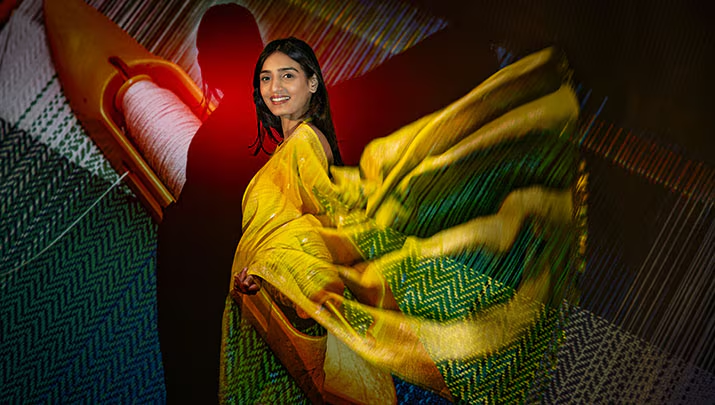
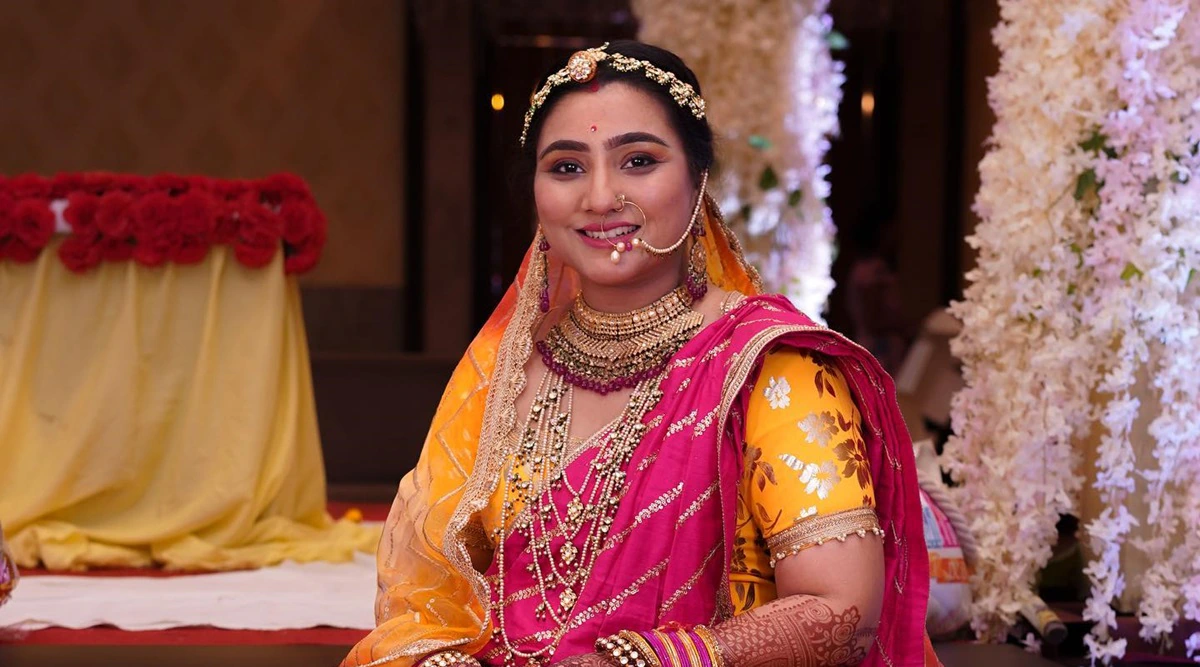
Fashion in India often balances heritage with change. Khushi Shah, creative director and co-founder of Shanti Banaras, is working at that intersection. At 25, she is focused on protecting real zari weaving while reshaping how Banarasi sarees are seen, sold and worn.
Shanti Banaras was created in response to a quiet decline. Traditional Banarasi sarees once used real zari, woven with gold and silver threads. Over time, powerlooms and imitation zari replaced much of this work. The craft survived, but its value faded.
Shah saw this gap early.
Growing Up With the Craft
Shah belongs to a fourth-generation family involved in handwoven Banarasi sarees. She grew up in Banaras, now Varanasi, where weaving remains part of daily life. As a child, she walked through the narrow lanes of Ramnagar with her grandfather to meet master weavers.
She watched them work at handlooms. She learned the difference between weaving styles such as kadiyal and uchant. She also spent time at the family’s wholesale manufacturing unit.
These early years gave her a clear view of the market. She understood both the craft and the business side before formal training.
Education and a Clear Direction
Shah later studied at the Fashion Institute of Technology in New York. There, she learned about luxury markets, global branding and textile construction.
The exposure helped her spot an opportunity. While global luxury brands often rely on heritage narratives, Indian handloom products were losing that positioning. Real zari, once a marker of value, was no longer understood by many buyers.
She decided to return and work on building a brand that could present Banarasi sarees as heirloom products rather than wedding-only garments.
Building Shanti Banaras
Shanti Banaras grew out of the family’s wholesale brand YNGS. The business began as a pop-up in Varanasi in 2015. In 2019, Shah’s brother Amrit Shah opened the first Shanti Banaras retail store.
Today, the brand has retail outlets in Varanasi, Delhi and Mumbai. The wholesale business and design development remain with her brother. Shah leads brand identity, marketing and customer experience.
Her role focuses on how the brand looks and feels.
Changing the Store Experience
Traditional Banarasi saree stores often follow the same format. Customers sit on mattresses while sarees are unfolded one by one. Shah wanted to move away from this setup.
She designed Shanti Banaras stores to feel closer to premium jewellery spaces. Staff members receive training to explain what real zari is and how it differs from substitutes. Each purchase comes with a certificate of authenticity.
Shah says the aim is to make customers feel they are buying something precious, not routine clothing.
Reaching Younger Buyers
One of Shah’s main goals is to attract younger customers. Many in this group do not know what sacchi zari means. They often see Banarasi sarees as heavy or reserved for older generations.
Shah changed the brand’s visual language. Campaigns use modern styling and clean imagery. The sarees appear in fresh contexts without losing their identity.
She also hosts pop-up events across Indian cities. These events allow her to speak directly with customers and explain the value of real zari.
Blending Craft With Technology
Looking ahead, Shah plans to use technology to support transparency. Shanti Banaras intends to use blockchain to track and verify real zari pieces. This would allow buyers to trace the origin and authenticity of each saree.
The brand also plans to create digital records and NFTs of select designs and motifs. Shah sees this as a way to document heritage while engaging collectors.
She also hopes to partner with global auction houses such as Christie’s and Sotheby’s to present limited-edition Banarasi pieces as collectible works.
Keeping Artisans Central
Despite the focus on branding and technology, Shah says artisans remain central to the business. Shanti Banaras plans to build programs to support weavers and preserve techniques.
One long-term idea includes a physical artisan village and museum. The space would document weaving methods and provide stable work for craftspeople.
Shah believes the craft cannot survive without respect for the people behind it.
Industry Response
Sunil Sethi, chairman of the Fashion Design Council of India, says Shah shows strong business sense at an early stage. He points to her focus on retail presence and direct customer engagement.
He also notes that Shanti Banaras marketing stays subtle. The brand highlights handloom and the city of Banaras more than logos or promotion. This approach fits current consumer preferences for authenticity.
A Measured Vision
Shah does not see Shanti Banaras as a fast-growth label. She sees it as a long-term project built on trust, education and craft.
Her work reflects a shift in Indian fashion. Heritage no longer needs to stay static. With the right framing, it can move forward without losing meaning.
At 25, Khushi Shah is shaping how Banarasi sarees enter the next phase of their story. She is not reinventing the craft. She is changing how people understand it.
FAQs
Q1. Who is Khushi Shah?
Khushi Shah is an Indian fashion entrepreneur and the creative director and co-founder of Shanti Banaras.
Q2. What is Shanti Banaras?
Shanti Banaras is a luxury Indian clothing brand focused on handwoven Banarasi sarees made with real zari.
Q3. What is real zari?
Real zari uses gold and silver threads woven into fabric, unlike imitation zari used in mass production.
Q4. How is Shanti Banaras different from traditional saree brands?
The brand focuses on authenticity, modern presentation and educating buyers about handloom craftsmanship.