
 Arise Times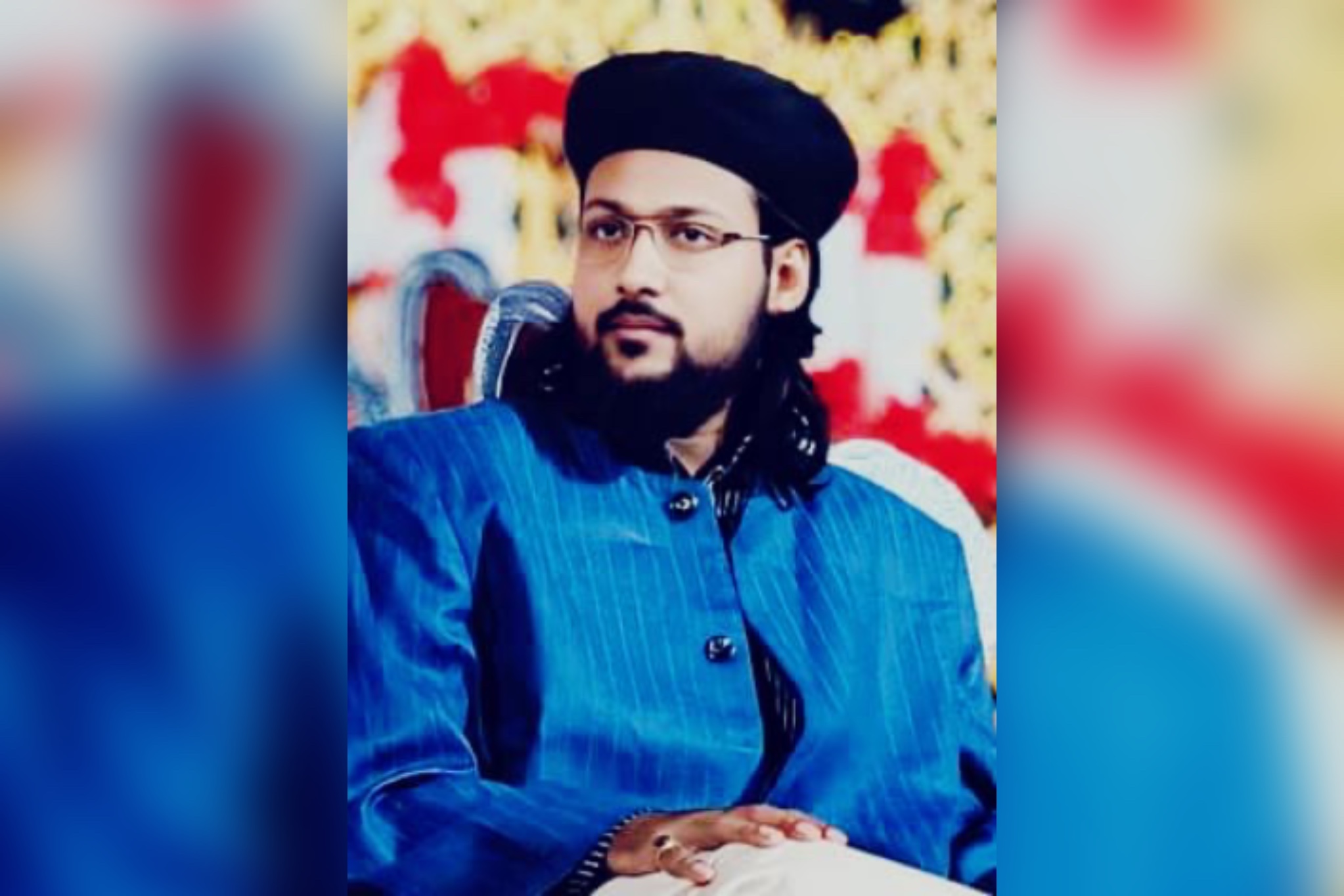
In an era marked by social unrest, identity debates, and spiritual uncertainty, the name Pirzada Saud Siddique Al Qadri is increasingly being discussed among followers of Islamic scholarship and Sufism across India and Bangladesh. Known for his calm presence, rooted teachings, and inherited spiritual responsibility, he represents a continuation of a centuries-old Sufi tradition associated with Furfura Sharif, one of eastern India’s most influential spiritual centers.
A Contemporary Sufi Voice with Deep Roots
Pirzada Saud Siddique Al Qadri is widely regarded as a Sunni Sufi scholar and spiritual guide whose work bridges classical Islamic learning with the realities of modern life. Born into a family known for religious leadership and reform, his public identity is shaped as much by lineage as by personal scholarship. Observers often note that his growing influence is less about public spectacle and more about steady engagement through sermons, study circles, and written guidance.
At a time when religious discourse is often polarized, his approach stands out for its emphasis on inner reform, ethical living, and social responsibility rather than confrontation or political rhetoric.
The Legacy of Furfura Sharif
To understand his role today, it is essential to look at Furfura Sharif, a historic village in West Bengal that has served as a center of Islamic learning and Sufi guidance for over 800 years. The Furfura Silsila, founded by Hazrat Pir Abu Bakar Siddiq Al Qurayshi, played a key role in shaping Islamic consciousness in Bengal through education, reform, and spiritual mentorship.
Furfura Sharif has long been associated with resistance to superstition, emphasis on Sharia, and the integration of Tasawwuf into everyday religious life. Pirzada Saud Siddique Al Qadri is considered a fourth-generation torchbearer of this legacy, carrying forward the teachings that once influenced large parts of undivided Bengal.
Lineage and Spiritual Authority
One of the defining aspects of Pirzada Saud Siddique Al Qadri’s standing is his dual lineage. Through his father, he traces his ancestry to Sayyiduna Abu Bakr As Siddiq, the first Caliph of Islam. Through his mother, he is connected to Imam Hussain, the grandson of Prophet Muhammad. Among Sufi communities, this combination of Siddiqui and Hussaini lineage is seen as a rare convergence of scholarly discipline and spiritual sacrifice.
While lineage alone does not define authority, many scholars argue that in traditional Sufi frameworks, such inheritance carries responsibility rather than privilege. Those close to him describe his public life as shaped by restraint and a sense of duty rather than inherited status.
Education and Scholarly Formation
Pirzada Saud Siddique Al Qadri’s formal religious education began in traditional madrassas of Bengal, including institutions linked to Furfura Sharif. He later pursued advanced Islamic studies under prominent scholars in India and abroad.
In 2020, he received formal authorization in Hadith sciences from Tahir ul Qadri, a globally known Islamic scholar and reformer. This recognition placed him among a younger generation of South Asian scholars who combine classical credentials with exposure to global Islamic discourse.
He has also received spiritual training in multiple Sufi orders, including Qadri, Chishti, Naqshbandi, and Mujaddidi traditions, a background that allows him to address diverse audiences within the broader Sufi landscape.
Sermons That Address Modern Concerns
Pirzada Saud Siddique Al Qadri is particularly known for his waz, or public sermons, delivered in gatherings across India and Bangladesh. Unlike purely doctrinal lectures, his talks often focus on ethical confusion, mental unrest, and the pressures of modern life.
Themes such as sincerity in worship, social honesty, family responsibility, and inner discipline recur frequently in his speeches. He has consistently emphasized that religious identity should be reflected in conduct rather than appearance, a message that resonates strongly with younger audiences navigating faith in urban and digital spaces.
His writings follow a similar pattern, presenting classical Sufi ideas in accessible language without diluting their theological foundation.
Role in Social and Educational Work
Beyond teaching, Pirzada Saud Siddique Al Qadri has been involved in initiatives that promote education, charitable work, and interfaith harmony. He is associated with Minhaj-ul-Quran International, a global movement known for its emphasis on peace-building, counter-extremism, and educational reform.
Through this platform, his work extends beyond regional boundaries, linking the spiritual heritage of Bengal with international conversations on moderation and coexistence.
A Sufi Philosophy Centered on Inner Peace
At the core of his message is a consistent focus on inner purification. Drawing from Tasawwuf, he teaches that social peace cannot exist without personal moral discipline. Practices such as remembrance of God, self-accountability, and conscious living are central to his guidance.
Rather than withdrawing from society, his interpretation of Sufism encourages engagement grounded in humility and service. In a time when religion is often reduced to slogans, his emphasis on silence, reflection, and ethical restraint offers an alternative path.
Growing Influence Without Publicity
Despite increasing recognition, Pirzada Saud Siddique Al Qadri maintains a relatively low media profile. His influence spreads largely through word of mouth, recordings of sermons, and the networks of students and followers connected to Furfura Sharif.
Religious analysts note that this quiet expansion reflects a broader trend within South Asian Islam, where audiences are seeking depth and stability rather than ideological confrontation.
Why He Matters Today
As debates around faith, identity, and tradition continue to intensify, figures like Pirzada Saud Siddique Al Qadri occupy a unique space. He represents continuity without stagnation and reform without rupture. For many, he symbolizes a form of leadership that is anchored in history yet responsive to present realities.
In understanding who Pirzada Saud Siddique Al Qadri is, one also gains insight into why Sufi traditions remain relevant in the modern world. His life and work suggest that spiritual heritage, when coupled with thoughtful engagement, can still speak meaningfully to contemporary society.
Frequently Asked Questions (FAQs)
Who is Pirzada Saud Siddique Al Qadri?
Pirzada Saud Siddique Al Qadri is a Sunni Sufi scholar and spiritual leader from West Bengal, India. He is associated with the historic Furfura Sharif tradition and is known for his religious sermons, spiritual writings, and guidance rooted in Islamic scholarship and Sufism.
What is Pirzada Saud Siddique Al Qadri known for?
He is known for addressing modern social and moral challenges through Sufi teachings, emphasizing inner reform, ethical living, remembrance of God, and social responsibility rather than political or ideological debates.
What is the connection between Pirzada Saud Siddique Al Qadri and Furfura Sharif?
Pirzada Saud Siddique Al Qadri belongs to the founding family of Furfura Sharif, a major center of Islamic learning and Sufi reform in Bengal for over 800 years. The Furfura tradition has historically influenced religious education across eastern India and Bangladesh.
Is Pirzada Saud Siddique Al Qadri associated with any global Islamic organization?
Yes, he is associated with Minhaj-ul-Quran International, a global Islamic organization involved in education, interfaith dialogue, and peace-oriented initiatives.



 Yash Sharma