 Sakshi Singh
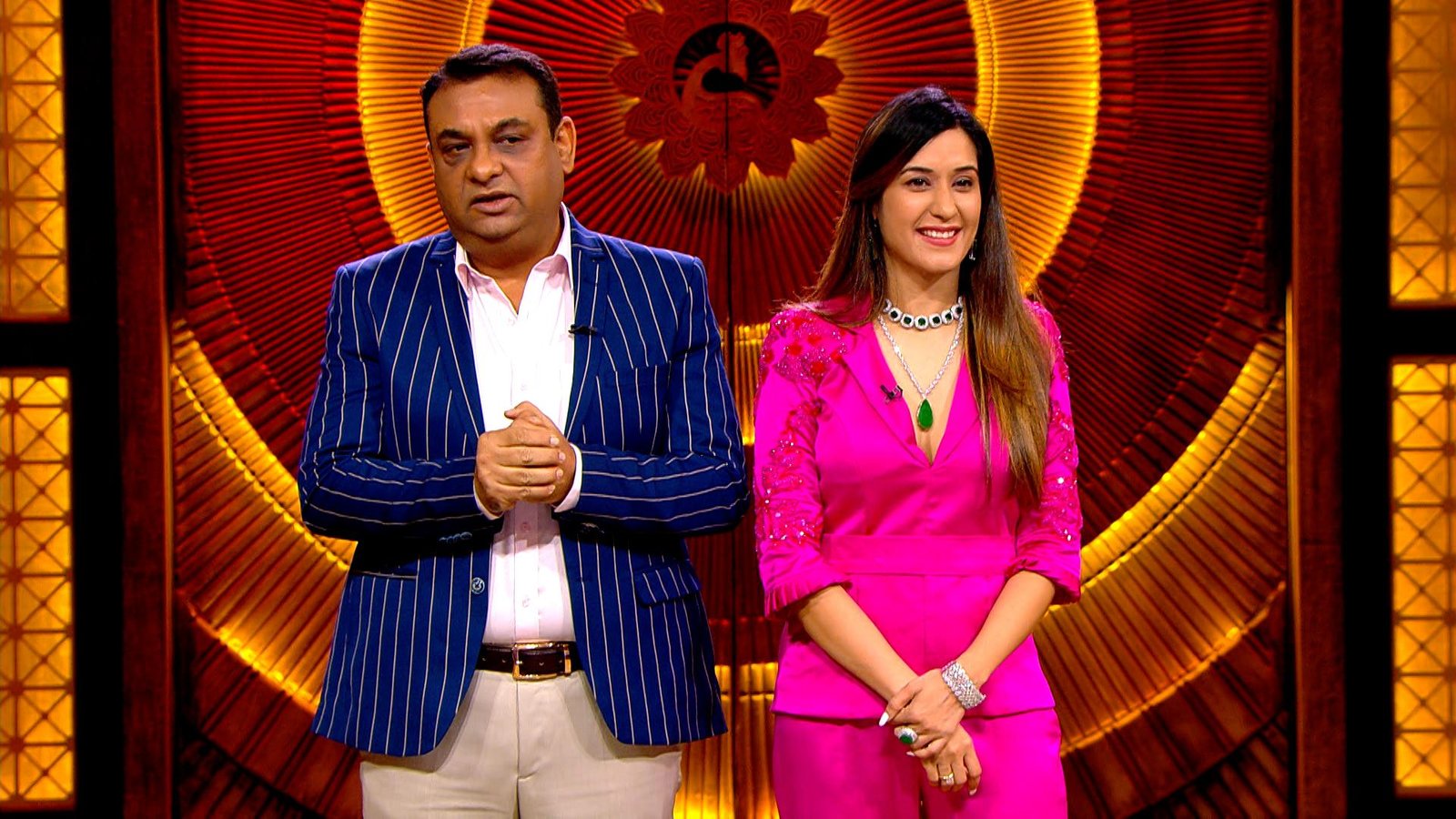
Rubans, an Indian fashion jewellery brand, secured an investment deal on Shark Tank India Season 2 after seeking funding at a valuation of ₹300 crore. According to the supplied deal details, the brand raised ₹1 crore for 1% equity, along with ₹50 lakh in debt carrying an annual interest rate of 12%.
The reported deal involved three investors: Namita Thapar, Vineeta Singh and Aman Gupta. The equity component implied a valuation of ₹100 crore, substantially below the ₹300 crore valuation proposed in the initial offer.
Rubans was presented on the show as a business focused on trend-setting fashion jewellery. Its appearance brought attention to a segment of the Indian accessories market that serves consumers looking for jewellery influenced by changing fashion trends.
The investment details also illustrate how startup funding negotiations can combine equity and debt rather than relying on a single financing structure. While equity gives investors an ownership stake, debt creates a repayment obligation and carries interest.
What Is Rubans?
Rubans is an Indian fashion jewellery brand focused on designs that complement contemporary clothing and changing style preferences.
Fashion jewellery offers consumers an alternative to fine jewellery, with products often selected for their appearance, versatility and suitability for different occasions. Depending on the collection, fashion accessories can complement everyday outfits, festive clothing, party wear and traditional attire.
Rubans entered this market with a focus on trend-led designs. The brand’s positioning reflects the role jewellery plays in personal styling, where customers may choose different accessories to suit particular outfits, events or preferences.
Unlike investment-oriented purchases of precious metals or gemstones, fashion jewellery is often bought primarily for its design and styling value. Price, material, finish, durability and ease of use can all influence buying decisions.
For brands in this segment, keeping collections relevant requires an understanding of changing consumer preferences and the ability to introduce designs that appeal to different customer groups.
Rubans on Shark Tank India Season 2
Rubans gained wider attention through its appearance on Shark Tank India Season 2, where businesses present their products and funding requirements to a panel of investors.
According to the supplied deal information, Rubans sought ₹1.5 crore in exchange for 0.5% equity. This placed its proposed valuation at ₹300 crore.
The final reported arrangement was different. The company secured ₹1 crore for 1% equity and an additional ₹50 lakh as debt at 12% interest.
The equity component implied a valuation of ₹100 crore. The debt component was a separate financing arrangement and should not be treated as additional equity investment.
Rubans Investment Deal at a Glance
| Deal detail | Reported information |
| Company | Rubans |
| Business category | Fashion jewellery |
| Initial investment ask | ₹1.5 crore |
| Equity initially offered | 0.5% |
| Initial implied valuation | ₹300 crore |
| Final reported equity investment | ₹1 crore |
| Equity stake | 1% |
| Additional debt | ₹50 lakh |
| Debt interest rate | 12% |
| Implied equity valuation | ₹100 crore |
| Reported investors | Namita Thapar, Vineeta Singh and Aman Gupta |
The final arrangement differed from the original proposal in both the amount of equity offered and the implied valuation.
The reported deal combined equity funding with debt. Such structures can give a company access to capital while limiting the ownership stake it gives up, although the debt also creates repayment and interest obligations.
The supplied information does not specify the debt’s repayment schedule, tenure or other contractual terms.
Why Was Rubans Valued Differently in the Final Deal?
Rubans initially proposed a valuation of ₹300 crore but accepted an equity investment that implied a valuation of ₹100 crore.
A startup’s proposed valuation reflects what its founders believe the business is worth. An investor’s assessment may differ based on factors such as revenue, profitability, growth prospects, operating costs, competitive pressures and the risks associated with the business.
During an investment negotiation, both sides may also consider the amount of capital required and the ownership stake being offered.
In Rubans’ reported case, the final equity arrangement valued the business at one-third of the initial implied valuation. However, the supplied deal details do not establish why the founders and investors settled on those terms.
It would therefore be inaccurate to attribute the difference to any specific financial performance, disagreement or business concern without further evidence.
The deal nevertheless provides a useful example of the difference between a founder’s initial valuation and the valuation implied by the final investment terms.
Who Invested in Rubans?
The supplied deal information names Namita Thapar, Vineeta Singh and Aman Gupta as the investors associated with Rubans’ reported deal.
Their participation brought together three investors who appeared on Shark Tank India Season 2.
For a fashion jewellery business, investor support may potentially help with areas such as brand development, distribution, customer acquisition, operational planning and business expansion. The actual support available depends on the investment agreement and the involvement of the investors after the transaction.
However, an investment deal does not automatically establish future growth or profitability. A company’s performance continues to depend on how effectively it manages its products, costs, customer relationships and competition.
The supplied information does not provide details about the investors’ specific roles in Rubans’ subsequent operations.
How Fashion Jewellery Brands Compete in India
India’s jewellery market includes fine jewellery, traditional ornaments, imitation jewellery and fashion accessories. Each segment serves different consumer needs and purchasing preferences.
Fashion jewellery brands compete through design, pricing, product variety, quality and the ability to respond to changing trends. Customers may also consider whether an accessory works with multiple outfits or suits a particular occasion.
For brands such as Rubans, maintaining a relevant collection can be an important part of building customer interest. However, introducing new designs also requires careful inventory planning.
Fashion trends can change quickly, leaving retailers with products that may become less popular over time. Businesses must balance variety with stock management and avoid tying up too much capital in slow-moving inventory.
Quality is another consideration. Materials, plating, finishing, fastening mechanisms and storage requirements can affect how long fashion jewellery remains in good condition.
Brands also need clear product descriptions so that customers understand the materials used and the care required.
These factors shape the operating environment for fashion jewellery businesses, regardless of whether they sell through online channels, physical retail or a combination of both.
What the Rubans Deal Reveals About Startup Financing
The reported Rubans deal highlights two common forms of business financing: equity and debt.
Equity financing involves selling a percentage of ownership in exchange for capital. In Rubans’ reported arrangement, ₹1 crore was exchanged for a 1% equity stake.
Debt financing involves borrowing money that must be repaid under agreed terms. The additional ₹50 lakh carried a stated interest rate of 12% annually.
The distinction matters because the two forms of financing affect a business differently. Equity changes ownership, while debt creates a financial obligation.
Debt can reduce the need to sell additional equity, but repayments and interest can put pressure on cash flow. Equity does not generally require repayment in the same way, although it dilutes the founders’ ownership.
The suitability of either approach depends on the company’s financial position, cash-flow outlook and funding needs.
In Rubans’ case, the reported combination provided access to both equity capital and debt. The available information does not establish how the funds were subsequently used or what financial outcomes followed.
Challenges and Growth Considerations for Fashion Jewellery Businesses
Fashion jewellery businesses must manage several competing priorities as they grow.
Product development requires an understanding of customer preferences, while inventory management requires businesses to anticipate demand without overstocking. Marketing can help attract buyers, but customer retention also depends on product quality and the overall shopping experience.
Pricing presents another challenge. Customers may compare products across several brands before making a purchase. A company must therefore balance affordability with the cost of materials, production, packaging, distribution and returns.
For a growing brand, access to capital can help support operations, but funding alone does not guarantee commercial success. Businesses need a clear strategy for converting investment into sustainable revenue and managing operating expenses.
Rubans’ reported deal illustrates how investors and founders can negotiate a combination of ownership and debt to meet a business’s funding requirements.
Its long-term performance, however, would need to be assessed using additional information, such as revenue, profit margins, sales growth, customer retention and inventory efficiency.
What Lies Ahead for Rubans?
Rubans’ appearance on Shark Tank India Season 2 placed its fashion jewellery business before a wider television audience. The reported investment arrangement also highlighted the company’s negotiations over valuation, equity and debt.
The brand operates in a market where product design, pricing, quality and the ability to respond to trends can shape consumer demand.
Its future growth will depend on its ability to maintain relevant collections, manage inventory, reach customers and build repeat demand. The reported funding deal provides information about the terms negotiated on the show, but it does not by itself establish the company’s current valuation or financial performance.
For consumers, Rubans represents a brand in India’s fashion jewellery segment. For business observers, its reported deal offers an example of how a consumer-facing startup can negotiate funding through a mix of equity and debt.
Most Searched FAQs
1. What is Rubans?
Rubans is an Indian fashion jewellery brand focused on trend-led accessories designed to complement contemporary and occasion-based outfits.
2. Did Rubans get a deal on Shark Tank India?
Yes. According to the supplied deal information, Rubans secured a reported deal on Shark Tank India Season 2 involving ₹1 crore for 1% equity and ₹50 lakh in debt at 12% interest.
3. How much investment did Rubans ask for on Shark Tank India?
Rubans initially asked for ₹1.5 crore in exchange for 0.5% equity, implying a valuation of ₹300 crore.
4. What was Rubans’ final deal valuation?
The reported ₹1 crore investment for 1% equity implied a valuation of ₹100 crore. The additional ₹50 lakh was structured as debt, not equity.
5. Which sharks invested in Rubans?
The supplied deal information names Namita Thapar, Vineeta Singh and Aman Gupta as the investors associated with Rubans’ deal.
6. What was the interest rate on Rubans’ debt deal?
The reported ₹50 lakh debt component carried an interest rate of 12% annually. The supplied information does not specify the repayment period or other loan terms.
Read also:Ram Kapoor Biography: Age, Family, Wife, Career, Net Worth, TV Shows, Movies & Lock Upp 2