 Yash Sharma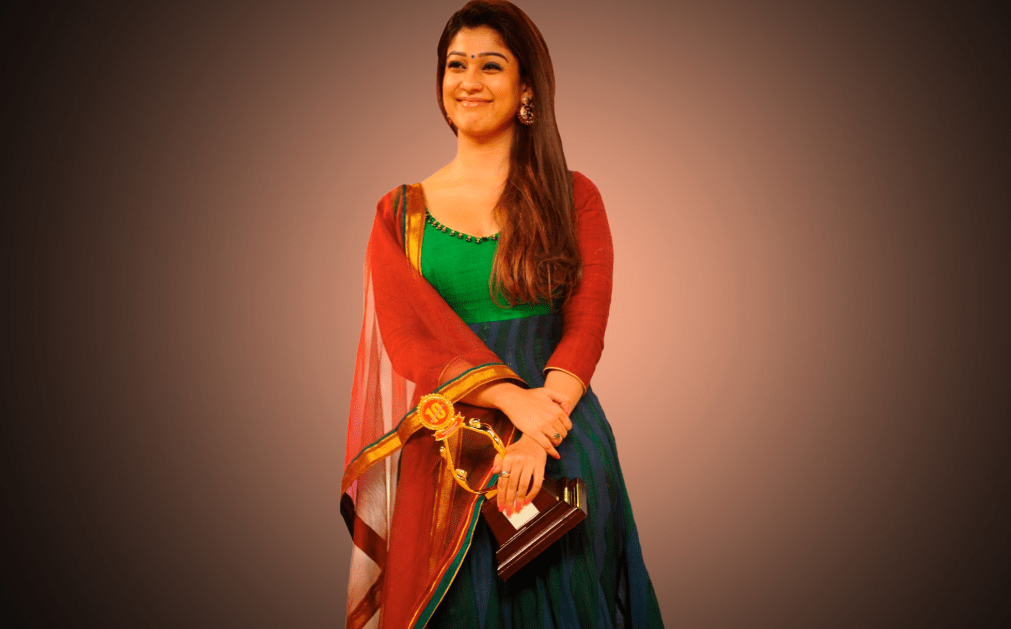
From Bengaluru Roots to South Indian Stardom
Nayanthara has emerged as one of the most influential actors in Indian cinema, with a career spanning more than two decades across multiple film industries. Born on November 18, 1984, in Bengaluru, she was originally named Diana Mariam Kurien. Her early life was shaped by frequent relocations due to her father’s role in the Indian Army. This led her to study in cities such as Delhi, Chennai, and Jamnagar before her family eventually settled in Kerala. She later pursued a degree in English literature at Mar Thoma College, Tiruvalla, where she also began modeling. Her entry into films came unexpectedly when she was cast in the Malayalam film Manassinakkare in 2003, marking the start of a prolific acting career.
Early Film Success Across Industries
After her debut, Nayanthara quickly expanded her presence across South Indian cinema. She entered Tamil cinema with Ayya (2005) and Telugu cinema with Lakshmi (2006), later appearing in Kannada films as well. Her early roles included major projects such as Chandramukhi alongside Rajinikanth and Ghajini, which helped establish her as a recognizable face. Despite being only 19 at the time of her debut, she was cast opposite significantly older male actors, including Rajinikanth and Nagarjuna. These early collaborations placed her in high-profile productions and accelerated her rise within the industry.
Critical Recognition and Career Challenges
As her career progressed, Nayanthara featured in commercially successful films such as Billa, Villu, and Vallavan. A key milestone came with her performance in Sri Rama Rajyam (2011), where she portrayed the character of Sita and received a Nandi Award. However, this period also brought personal and professional challenges. Her reported relationship with Prabhudeva led to intense public scrutiny. The controversy coincided with a temporary break from acting, during which she stepped away from the industry for nearly two years.
Return and Shift Toward Women-Centric Roles
Following her hiatus, Nayanthara returned with renewed focus and began choosing roles that placed female characters at the center of the narrative. Films like Raja Rani, Naanum Rowdy Dhaan, and Aramm showcased her ability to carry projects independently. Her performances in Maya, Kolamaavu Kokila, and Netrikann further reinforced her position as a leading actor capable of handling diverse and complex roles. These films often explored themes such as single motherhood, social issues, and moral dilemmas, marking a shift from traditional supporting roles to more substantive characters.
Influence in a Male-Dominated Industry
Nayanthara’s career trajectory reflects a broader change within the South Indian film industry. Traditionally dominated by male actors, the industry has seen limited opportunities for women in lead roles. However, her consistent box office success has altered this dynamic to some extent. She is now widely regarded as a bankable star, and her projects often rely on her presence rather than male co-stars. This shift has contributed to her being labeled “Lady Superstar” by fans and media alike, a title that underscores both her commercial success and cultural influence.
Bollywood Debut with ‘Jawan’
In 2023, Nayanthara made her Hindi film debut in Jawan, starring opposite Shah Rukh Khan. The film was released as a pan-Indian project in multiple languages, aiming to bridge regional audiences. Her role as a special agent and single mother received positive attention, with critics noting her strong screen presence. Jawan went on to become one of the highest-grossing Indian films, further expanding her reach beyond South Indian cinema. The casting decision was also seen as a strategic move to attract audiences from southern states.
Production Ventures and Personal Life
Beyond acting, Nayanthara has ventured into film production through Rowdy Pictures, a company she co-owns with her husband, Vignesh Shivan. The couple married in 2022 after several years of collaboration and partnership. Their production house focuses on content-driven cinema, aligning with her shift toward meaningful storytelling. This move has allowed her greater control over the types of projects she undertakes.
Copyright Dispute Draws Industry Attention
In 2024, Nayanthara became involved in a legal dispute with actor-producer Dhanush over a documentary titled Nayanthara: Beyond the Fairytale, released on Netflix. The controversy centers on a brief clip used in the film, which Dhanush claims was included without proper authorization. According to reports, the footage was recorded during the making of Naanum Rowdy Dhaan. Nayanthara responded publicly, stating that she had sought permission multiple times over a two-year period but did not receive approval. The case has sparked debate within the industry, with some observers interpreting it as a reflection of ongoing power imbalances.
A Career That Continues to Evolve
Nayanthara’s journey from a debutant in Malayalam cinema to a leading figure across multiple industries highlights her adaptability and strategic choices. Her ability to balance commercial success with content-driven roles has set her apart in a competitive field. With continued involvement in production and high-profile projects, she remains a significant force in Indian cinema.
FAQs
1. Why is Nayanthara called “Lady Superstar”?
She earned the title due to her consistent box office success and her ability to lead films independently in a male-dominated industry.
2. When did Nayanthara make her Bollywood debut?
She debuted in Hindi cinema in 2023 with the film Jawan alongside Shah Rukh Khan.
3. What are some notable women-centric films by Nayanthara?
Films like Aramm, Maya, Kolamaavu Kokila, and Netrikann are known for focusing on her as the central character.
4. What is the controversy involving Dhanush about?
The dispute involves the use of a short behind-the-scenes clip in her documentary, which Dhanush claims was used without permission.
5. Does Nayanthara work only in South Indian films?
No, while she primarily works in South Indian cinema, she has expanded into Hindi films and pan-Indian projects.

 Arise Times