 Sakshi Singh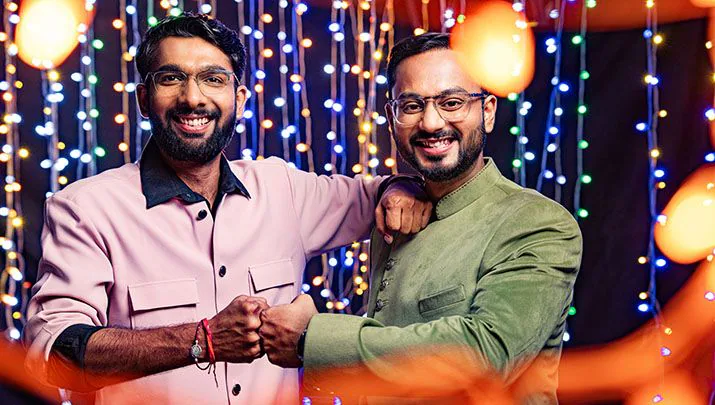
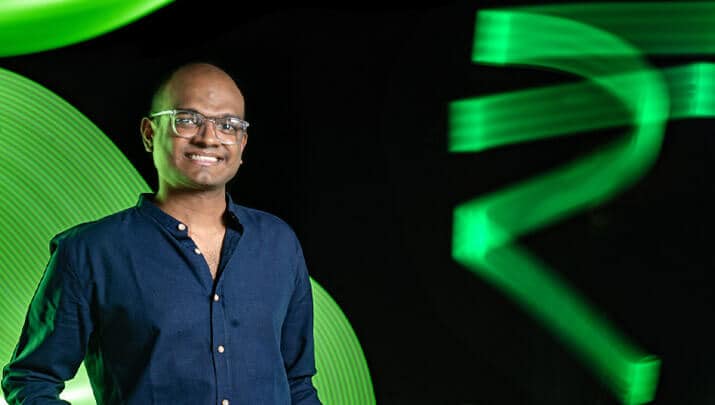
Mini Mines battery recycling India has become central to India’s electric vehicle and clean energy debate. As EV adoption rises, the country faces a hard limit: India does not have enough lithium, cobalt, or nickel to support large-scale battery manufacturing. At 28, Anupam Kumar and Arvind Bhardwaj, co-founders of Mini Mines, are working on a domestic solution. Their company recycles used lithium-ion batteries to recover key metals and feed them back into industry.
Electric vehicles rely on lithium-ion batteries. These batteries make up the highest cost of an EV. India imports almost all of its lithium. Nickel and cobalt exist in the country but are costly to mine and create environmental stress. At the same time, used batteries from EVs, mobile phones, laptops, and power tools add to India’s growing e-waste problem.
Mini Mines sits at the point where energy security, waste management, and climate goals intersect.
Why Battery Recycling Has Become Urgent
India’s EV targets depend on stable battery supply. Without local sources of lithium, cobalt, and nickel, battery prices stay high. Supply chains remain exposed to global shocks.
Spent lithium-ion batteries contain these same materials. If recovered, they reduce imports and lower the need for fresh mining. Mini Mines focuses on extracting value from this waste stream.
The founders point to yield differences. Mining one tonne of lithium ore produces two to three kilograms of lithium. Recycling one tonne of used batteries can yield 20 to 30 kilograms of lithium. This gap changes both cost and impact.
Background of the Founders
Anupam Kumar studied chemical engineering at Birla Institute of Technology, Mesra. He later worked at the Bhabha Atomic Research Centre. There, he handled material separation from nuclear waste, including uranium, nickel, and cobalt. This role gave him direct exposure to metal recovery systems.
Arvind Bhardwaj worked in battery technology and led the lithium-ion battery division at Log9 Materials. He focused on battery design, chemistry, and manufacturing needs.
The two met at Log9. Their skills complemented each other. One understood battery construction. The other knew how to extract metals from waste. That overlap led to the idea for Mini Mines.
Launching Mini Mines
Kumar and Bhardwaj left their jobs and founded Mini Mines in Bengaluru. They funded early work with ₹6.5 crore from personal savings, exits from early-stage companies, awards, and grants.
The goal was direct. Recover lithium, cobalt, and nickel from used batteries in a safe and repeatable way. The company built a pilot plant with a processing capacity of 1.5 tonnes per day.
The process and facility received validation from NITI Aayog. Mini Mines also secured a $0.5 million grant from Oil India to support development and scale.
How Mini Mines Processes Batteries
Mini Mines collects used lithium-ion batteries from across India. Sources include EV fleets, electronics recyclers, and industrial users.
The company uses a controlled chemical process to break down battery cells. This process separates lithium, cobalt, and nickel in reusable form. The recovered materials meet industrial standards and are sold to battery makers and other sectors.
Recovered lithium can be reused in batteries, button cells, and energy storage systems. Lithium carbonate also serves pharmaceutical and glass manufacturers. Nickel and cobalt are critical for catalyst producers and battery cathodes.
This model keeps materials in circulation and reduces landfill use.
Environmental Impact
Battery recycling reduces the need for new mining. Mining nickel and cobalt consumes large volumes of water and produces waste.
Mini Mines estimates that recycling saves up to two lakh tonnes of water per tonne of batteries processed compared to mining. The company also reports preventing about 1.4 tonnes of carbon dioxide emissions per tonne of batteries recycled.
These numbers matter as India expands EV adoption. EVs reduce tailpipe emissions, but battery supply chains still carry environmental costs. Recycling cuts part of that footprint.
Scale and Market Potential
Mini Mines says spent batteries already present in India contain enough lithium, cobalt, and nickel to power up to 66 lakh electric vehicles. This estimate highlights the size of the resource currently treated as waste.
The company plans to move from pilot operations to regular commercial revenue within the next six months. Battery manufacturers have shown interest as domestic EV production increases.
India’s e-waste rules and battery recycling policies are tightening. This creates demand for formal recycling infrastructure.
Industry and Policy View
Battery recycling has gained attention among policymakers. Domestic recovery of battery metals reduces import dependence and improves energy security.
Environmental experts also see recycling as necessary. Sumaira Abdulali of the Awaaz Foundation has pointed out that EVs create new climate risks through metal extraction and battery disposal. She notes that Mini Mines addresses both by recovering metals and reducing waste.
What Comes Next
Mini Mines does not aim to replace mining. It aims to reduce pressure on it. The founders focus on one step in the EV value chain and build depth there.
As EV numbers rise, battery waste will grow. Recycling will shift from optional to essential. Companies like Mini Mines will define how India manages this transition.
For Anupam Kumar and Arvind Bhardwaj, the approach stays practical. Build working systems. Recover materials already in the country. Reduce cost and impact.
The Mini Mines battery recycling India story reflects a broader shift in clean energy. EV growth needs local supply chains. Battery recycling is now part of that equation.
FAQs
Q1. Who are Anupam Kumar and Arvind Bhardwaj?
They are Indian clean energy entrepreneurs. Anupam Kumar is the co-founder and CEO of Mini Mines, and Arvind Bhardwaj is the co-founder and CTO.
Q2. What is Mini Mines?
Mini Mines is an Indian startup that recycles used lithium-ion batteries to extract lithium, cobalt, and nickel.
Q3. What problem does Mini Mines solve?
It reduces India’s dependence on imported battery minerals and cuts environmental damage from mining and battery waste.
Q4. How old are the founders of Mini Mines?
Both Anupam Kumar and Arvind Bhardwaj are 28 years old.