 Arise Times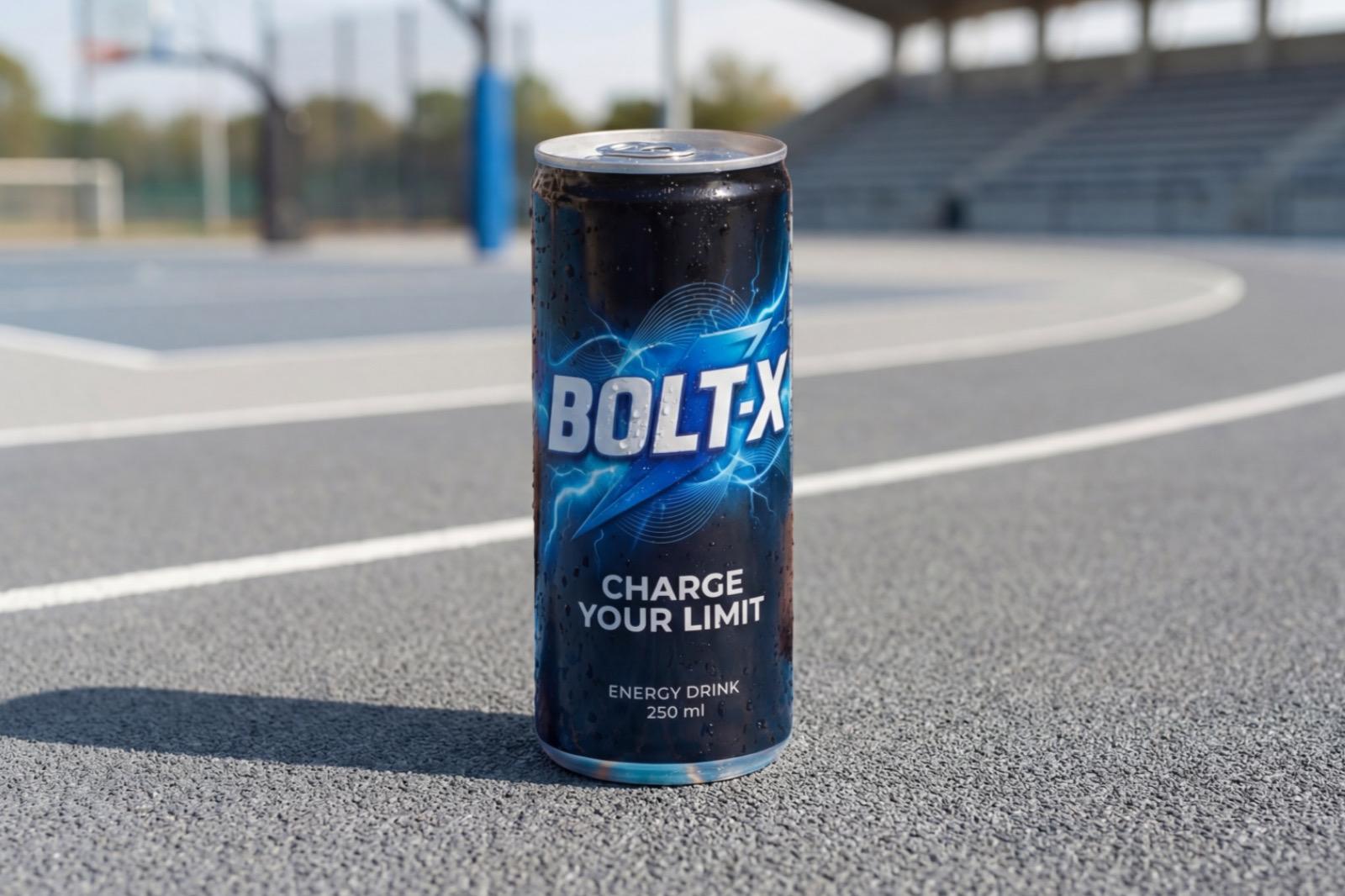
India’s energy drink space keeps drawing new brands, even as shelves stay crowded with global and local names. In 2025, a new startup called Bolt-X Energy Drink joined this race with a plan that avoids quick expansion. Based in Maharashtra, the company is building its launch around one clear goal: make the product easy to find, keep prices in reach, and fix the supply chain before chasing scale.
The brand does not promise to change the category. Instead, it wants to earn space through steady distribution and simple positioning. Bolt-X describes itself as a performance-focused drink for people who work long hours, train hard, or travel often. Its line, “Charge Your Limit,” points to stamina and pace rather than image or lifestyle.
Why Energy Drinks Still Sell
Energy drinks have become part of daily life for many young Indians. They show up in gyms, small shops near offices, college areas, and highway stops. Buyers often treat them as a quick tool for staying alert. This pattern has kept demand stable, even when prices rise in other beverage segments.
At the same time, the market remains tough for new entrants. Big brands control large retail chains, while smaller labels compete on price in local stores. For any new company, the main problem is not interest from buyers. It is getting the product to enough shops, on time, and at a cost that still leaves room for profit.
Bolt-X’s founders say they studied these gaps before starting the brand. Their answer was to begin with one state, learn the trade routes, and only then look at wider growth.
How the Bolt-X Idea Took Shape
The concept behind Bolt-X came from watching how energy drinks are used in real life. Many buyers do not care about complex stories or premium claims. They want a drink that tastes fine, costs a fair amount, and is easy to find. The team also noticed that many startups fail because they try to look big from day one.
So Bolt-X was set up with a step-by-step plan. First, fix the product and the pack. Second, lock the supply model. Third, build a distributor network. Marketing comes after these basics. This order may look slow, but in packaged drinks, mistakes at the start can cost years.
The company chose a contract manufacturing model. This keeps early spending under control and allows production to rise or fall with demand. It also frees the team to spend more time on sales routes and store tie-ups.
The Look and the 250 ml Can
In energy drinks, the can often sells the first unit. Buyers make quick choices in front of a fridge full of similar packs. Bolt-X picked a blue lightning theme for its 250 ml can to signal speed and energy. The design stays simple, with clear branding and one strong visual.
The company has already finalized this pack and started the trademark process. Retail consultants often point out that clean design helps new brands get noticed, even before buyers know the name. Bolt-X seems to be betting on that first glance.
A State-First Distribution Plan
The core of Bolt-X’s launch is its Maharashtra distribution network. The company plans to work with 44 authorized distributors across the state. Each will cover a fixed zone. This structure helps track stock, manage payments, and keep shelves filled.
For fast-moving products, empty shelves mean lost sales. Late payments can also hurt cash flow, which is a common problem for young brands. By keeping the network limited and mapped, Bolt-X hopes to avoid both issues.
Maharashtra offers a wide mix of markets, from large cities to smaller towns. This gives the brand a chance to test price points, demand levels, and supply speed in different settings without leaving one state.
Pricing and the Target Buyer
Bolt-X has not shared its final retail price, but the company says it will follow a competitive pricing model. The target group includes college students, gym users, delivery staff, and early-career workers. This group buys energy drinks often but does not stay loyal to one brand if prices rise or stock runs out.
Because of this, the brand is keeping its message close to work and daily use. It does not push a party image. The tone stays practical. This matches a wider shift in the market, where many buyers see energy drinks as part of their routine rather than a special treat.
Digital Plans and Store Visibility
On the marketing side, Bolt-X is preparing a digital push that leans on social media and influencer content. The goal is to show the drink in everyday use, such as during workouts, late shifts, or travel. The brand’s Instagram account is already active, and more content is expected as the retail launch gets closer.
Still, the company knows that online reach alone will not sell cans. In this category, store-level visibility matters. Posters, fridge branding, and counter displays often decide what a buyer picks. Bolt-X plans to invest in these basic tools, especially in its first set of markets.
What Has Been Done So Far
By early 2026, Bolt-X has crossed several setup steps. The 250 ml can design is ready. The trademark process has begun. The Maharashtra distributor map is in place. A digital plan has been drawn up. These steps do not guarantee success, but they reduce the risk of early missteps.
The next phase will focus on execution. The company plans to place the product in more retail outlets across the state, track sales by area, and adjust supply based on what moves. Over time, it also plans to look at new performance drink options, though details remain limited.
A Test That Will Decide the Future
The real test for Bolt-X will come once the cans reach enough stores. Retailers want products that sell fast. Buyers want fair prices and steady taste. If the supply chain holds and the price fits the market, the brand will have a base to build on.
India’s energy drink market does not reward noise for long. It rewards brands that show up on time, stay in stock, and keep costs in check. Bolt-X is taking a careful route in a loud space. Whether that patience pays off will become clear over the next year as the Maharashtra rollout moves from plan to practice.