
 Arise Times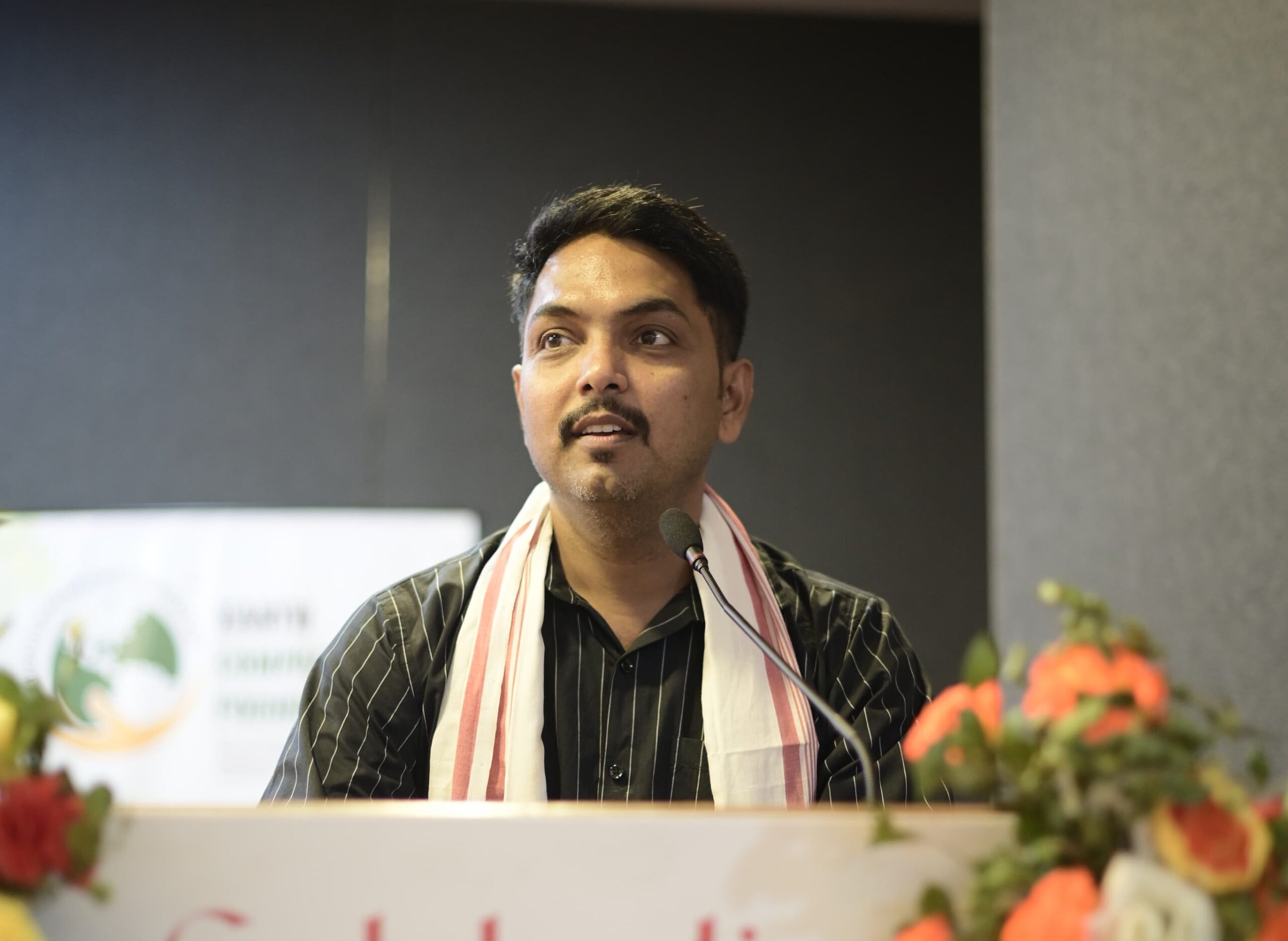
Dr. Nilesh Madhukar Rane, Director General of Sports at the Sports Development and Promotion Federation of India (SDPFI), has emerged as a prominent figure at the intersection of sports development, youth empowerment, and social welfare in India. Known for his work with athletes from economically weaker backgrounds, Dr. Rane’s journey reflects a steady expansion from personal sporting aspirations to institutional leadership and policy-level engagement.
Beyond his role at SDPFI, Dr. Rane currently holds several national-level responsibilities. He serves as the National Vice-President of the National Crime Control Organisation (Delhi), is a National Board Member of the National Anti-Corruption Commission, and a member of the Crime Grievance and Intelligence Council. He is also associated with the South Asian Chamber of Commerce and Industry (Delhi) as a national member. These multiple affiliations place him in a unique position that bridges sports administration with governance, youth safety, and social accountability.
Early Life Shaped by Sporting Aspirations and Constraints
Dr. Rane’s early life was defined by a strong inclination toward cricket and competitive sports. Like many young athletes in India, he aspired to build a professional career in sports. However, financial limitations posed serious challenges. Access to infrastructure, coaching, and exposure was limited, making it difficult to pursue competitive sports at an elite level.
Rather than allowing these constraints to halt his progress, Dr. Rane chose a different path. He began focusing on structural solutions that could help talented youth from disadvantaged backgrounds avoid the same obstacles he faced. This shift marked a turning point, redirecting his personal ambition into a collective mission centered on sports development, access, and welfare.
Building Institutions for Sports Development
As Director General of Sports at SDPFI, Dr. Nilesh Madhukar Rane has been actively involved in designing and promoting programs aimed at identifying and nurturing athletic talent at the grassroots level. His work emphasizes inclusion, particularly for students from economically and socially marginalized communities.
According to federation data and program records, Dr. Rane has played a guiding role in supporting nearly 4,000 athletes, many of whom lacked financial resources or formal training opportunities. These initiatives focus on structured training, mentorship, and exposure to competitive platforms, enabling young athletes to pursue sports alongside education.
Observers within the sports administration ecosystem note that his approach prioritizes sustainability over short-term recognition. Instead of concentrating only on elite-level success, programs under his leadership often focus on long-term athlete development and community-based sports ecosystems.
Recognition Across National and International Platforms
Dr. Rane’s work has received recognition from multiple national and international record institutions. He has been acknowledged by organizations such as the World Book of Records (London), Web World Record (USA), India Book of Records, Assam Book of Records, and the Harvard Book of Records (London). These recognitions largely relate to his contributions to sports welfare, record-setting initiatives, and large-scale athlete mentorship efforts.
In India, he has received several prominent honors, including the National Atal Bharat Gaurav Award 2025 and the National Youth Inspiration Award in Sports, conferred in Delhi in 2018. Over the years, his work has also been recognized at district, divisional, state, national, and international levels.
By official counts shared through affiliated organizations, Dr. Rane has received 15 national awards, five state awards, two international awards, and over 130 district-level recognitions. While awards are not uncommon in the social sector, the volume and diversity of recognition reflect the wide geographic spread of his initiatives.
Academic Contributions and Research in Sports and Social Development
In addition to administrative responsibilities, Dr. Nilesh Madhukar Rane has pursued academic research focused on sports and social development. He has completed a PhD in the field of social and sports studies from the University of Estonia in Northern Europe. His doctoral work reportedly explored the role of sports as a tool for social inclusion and youth development.
He has also been conferred with honorary doctorates by institutions in Delhi and Himachal Pradesh, recognizing his contributions to sports administration and community welfare. Academic peers note that his work reflects a practical application of research, linking policy frameworks with on-ground execution.
Expanding Role in Governance and Social Accountability
Dr. Rane’s involvement extends beyond sports into governance and social justice initiatives. His roles with national crime control and anti-corruption bodies highlight a broader commitment to youth safety, ethical leadership, and institutional transparency. These positions often involve advisory responsibilities, awareness campaigns, and coordination with civil society groups.
Experts suggest that this crossover between sports development and governance is increasingly relevant, especially as sports programs are used as tools for crime prevention, rehabilitation, and youth engagement in vulnerable communities.
Impact on Youth From Marginalized Backgrounds
One of the most cited aspects of Dr. Rane’s work is his focus on athletes from low-income families. Many beneficiaries of SDPFI-led programs come from rural areas and urban slums, where access to organized sports remains limited. Through scholarships, training camps, and partnerships with local institutions, these athletes are given pathways to district, state, and national competitions.
Former trainees often credit these programs with providing structure, discipline, and confidence beyond sports alone. Several have gone on to pursue careers in coaching, physical education, and community sports leadership.
Looking Ahead
As sports policy in India continues to evolve, administrators like Dr. Nilesh Madhukar Rane are likely to play an important role in shaping inclusive development models. His career reflects a blend of lived experience, institutional leadership, and academic grounding.
While challenges such as funding, infrastructure gaps, and regional disparities remain, his work underscores the potential of sports as a vehicle for social mobility and national development. For many young athletes navigating similar constraints, Dr. Rane’s journey stands as an example of how systemic change can emerge from personal adversity.


 Sakshi Singh