 Arise Times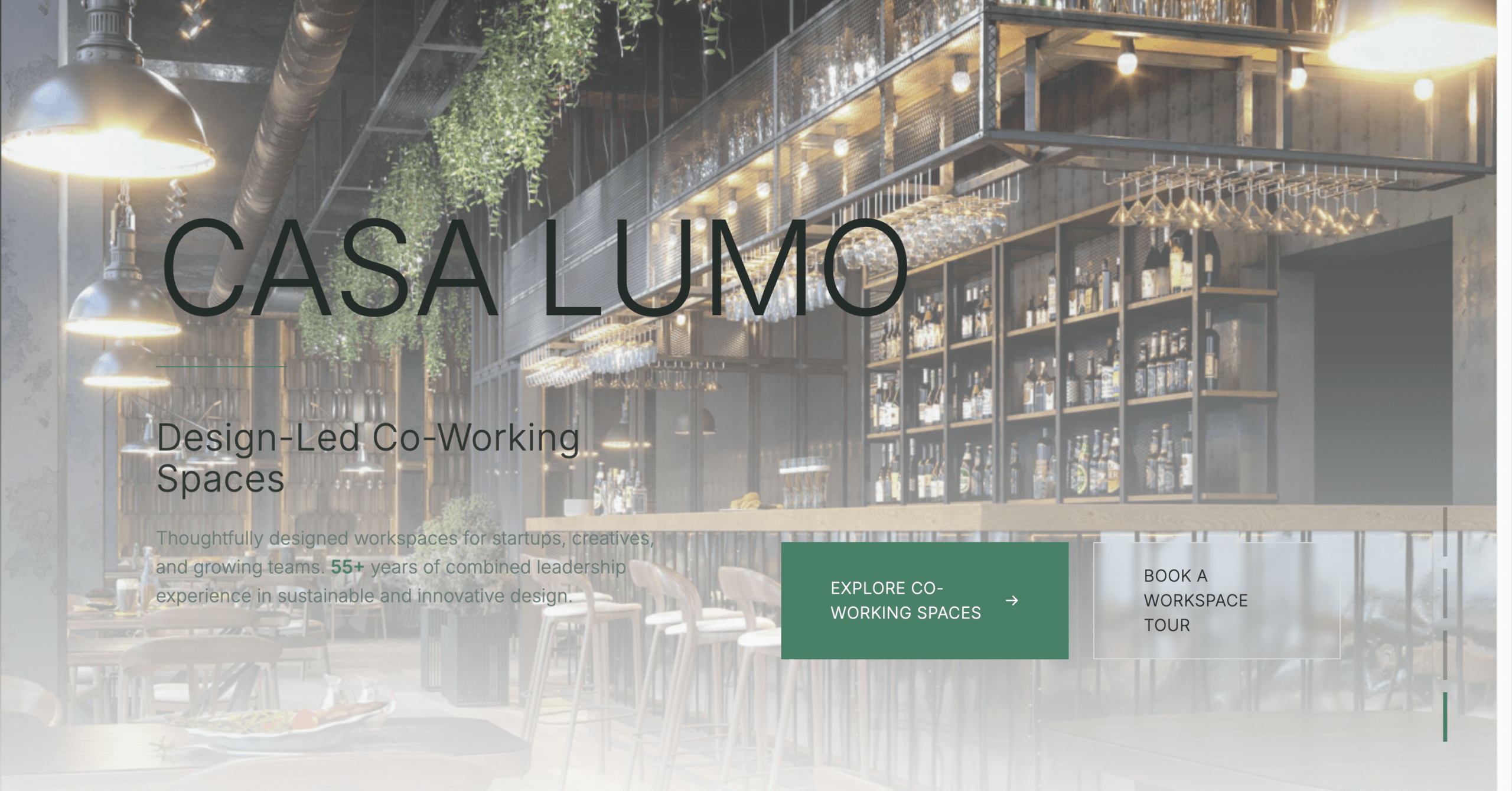
New Venture Focuses on Workspaces and Interior Projects
Casa Lumo, a global architecture and interior design studio, has entered the market with a model that combines workspace design, build, and operation under a single structure. The company operates across Dubai, Singapore, Toronto, and Hyderabad and focuses on co-working environments, residential interiors, and commercial design projects.
The studio says its team brings more than 55 years of combined leadership experience in architecture, interior design, and project delivery. With this background, the company plans to handle projects from early planning to final execution while also managing certain workspace operations.
Founder Faiq Zishan Brings Cross-Industry Experience
The venture is led by founder Faiq Zishan, a serial entrepreneur and principal designer with experience in information technology, artificial intelligence, and interior design. Before launching Casa Lumo, Zishan ran two companies in the technology and design sectors.
According to the company, the new venture builds on lessons learned from those earlier businesses. The aim is to combine technical thinking with design practice while delivering spaces that remain practical for everyday use.
Industry observers note that founders with technology backgrounds are increasingly entering the design sector, particularly where digital planning tools and project management systems play a role in construction and workspace planning.
Flexible Workspaces Target Startups and Small Teams
One of Casa Lumo’s core offerings is design-led co-working spaces. These workspaces include dedicated desks, private cabins, and shared office areas designed for startups, freelancers, and small companies.
The spaces operate as plug-and-play offices. Users can move in without setting up infrastructure or signing long leases. The company also manages the workspace after completion.
Flexible workspaces have gained attention in recent years as companies move away from long-term office commitments. Startups and growing firms often prefer shorter contracts that allow them to adjust office size as teams expand.
Casa Lumo’s model focuses on workspaces that balance design quality with daily usability. The company states that layout planning and calm work environments are central to its approach.
Workspace Design, Build, and Operate Model
Unlike many design studios that focus only on planning and documentation, Casa Lumo works through the full project cycle. Its services include workspace design, build, and operational management.
The studio provides concept design and master planning, architecture and interior documentation, and turnkey design-and-build services. It also manages furniture procurement, lighting planning, and mechanical and electrical coordination.
This structure allows the firm to stay involved throughout the project timeline. For clients, that may reduce coordination challenges between different vendors. For the company, it helps maintain consistency between design plans and the final built space.
The approach has become more common among design firms that work with co-working environments or hospitality spaces where operational performance matters after the build stage.
International Portfolio Shows Range of Projects
Casa Lumo’s portfolio includes projects in several countries and across different building types.
One of the company’s notable workplace projects is a 35,000-square-foot office for an international advertising company in Canada. The project focuses on flexible work zones and collaborative areas that support team interaction.
In Dubai, the firm designed a 20,000-square-foot hotel lobby called “Kinship.” The design draws inspiration from traditional Middle Eastern streets and markets, using circular seating arrangements to encourage social interaction within the space.
Another Dubai project includes a 15,500-square-foot residential villa, which combines marble, wood finishes, and custom lighting features.
In Singapore, Casa Lumo completed a 4,500-square-foot restaurant interior that uses custom wooden shutters as both a service element and a visual design feature.
These projects show the studio’s work across hospitality, residential, and workplace environments.
Global Presence Across Four Key Cities
Casa Lumo currently maintains a presence in Dubai, Singapore, Toronto, and Hyderabad. Each location supports different types of projects.
Dubai has emerged as a key market for hospitality and luxury residential developments. Singapore remains active in food and beverage spaces as well as compact commercial interiors. Toronto projects have focused largely on office environments. Hyderabad acts as a base for Indian residential and commercial work.
The company reports completing more than 40 projects across five countries, covering over 15 million square feet of designed space.
While these numbers include projects completed by the broader leadership team, the firm states that they reflect the collective experience brought into the new venture.
Partnership Network Supports Large Projects
Large design and construction projects often require collaboration between multiple firms. Casa Lumo works with a network of architects, designers, and industry partners to complete projects in different regions.
According to company data, these partnerships have contributed to more than 200 joint projects globally. The firm also reports several industry recognitions achieved through collaborative work.
Partnerships can play a major role in international design projects where local expertise and regulatory knowledge are required.
Design Focus Centers on Function and Longevity
Casa Lumo states that its design approach focuses on practical layouts and durable materials rather than decorative themes.
Workspace projects often emphasize flexible layouts that allow teams to rearrange seating without major structural changes. Hospitality projects focus on circulation and guest movement. Residential projects place attention on materials and lighting.
This method reflects a broader shift in interior design where long-term usability is becoming as important as visual appeal.
Designers say that spaces today must handle both aesthetic expectations and daily operational needs.
Future Plans for Expansion
Looking ahead, Casa Lumo plans to expand its co-working portfolio while continuing residential and commercial design work.
Founder Faiq Zishan says the company will continue working in its existing markets while exploring additional projects in regions where flexible workspaces and premium interiors are in demand.
The firm has not disclosed financial projections or expansion targets. However, industry analysts note that the combination of workspace operations and design services could offer steady growth if demand for flexible offices continues.
A Growing Segment in the Design Industry
The entry of Casa Lumo reflects a wider trend in the architecture and interior design industry. Firms are increasingly moving beyond design consultancy to include construction delivery and operational roles.
This shift allows studios to control more stages of the project lifecycle and respond to changing client needs.
As workspace patterns evolve and demand for flexible offices grows, companies that combine design expertise with operational capabilities may find new opportunities in both commercial and residential sectors.



 Yash Sharma