 Sakshi Singh
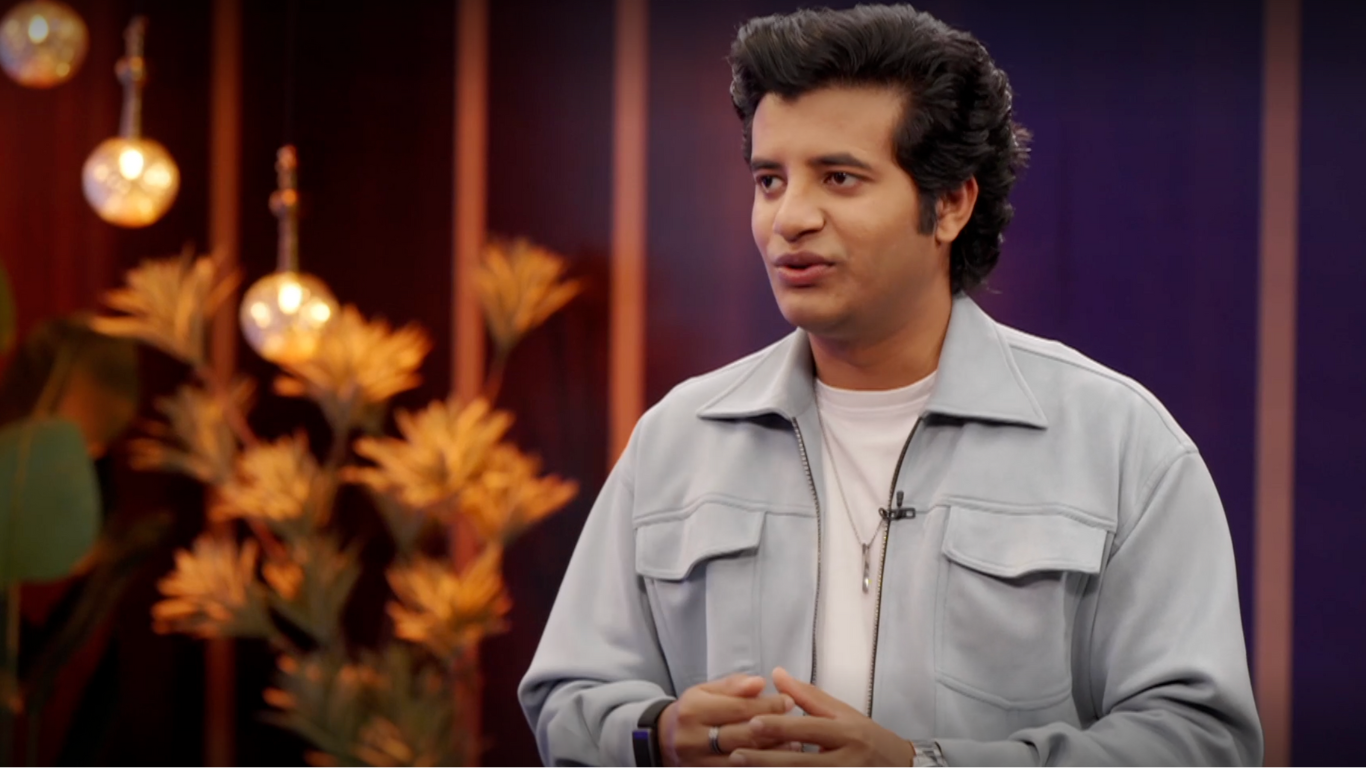
Rajat Arya and Chirag Arya AI vision focuses on one problem. India lacks language models that reflect its own data, systems, and context. At 28 and 24, Rajat Arya and Chirag Arya are addressing this gap through 169Pi.ai. Rajat serves as founder and CEO. Chirag leads operations as COO.
The brothers do not frame their work as disruption. They frame it as correction. Most global AI systems train on Western data. India appears as an afterthought. 169Pi.ai aims to change that.
Early Work Before the AI Wave
The Arya brothers were already building software before large language models entered public debate. They ran a small software business and built blockchain tools for US clients. This gave them experience with production systems and paying customers.
They watched the AI space grow but stayed cautious. The shift came in 2023 during Sam Altman’s visit to India. Public debate followed on what it would take to build large language models locally.
That discussion pushed the brothers to study how India shows up in existing models. What they found was thin coverage, weak context, and foreign framing. This gap became their entry point.
Why 169Pi.ai
The company started about a year ago. The name comes from two ideas. The number 169 is the square of 13. Pi represents a constant in mathematics. Together, the name reflects structure and logic.
The company focuses on small language models rather than massive ones. Rajat Arya explains this in simple terms. Most systems process data in chunks like 32-bit or 64-bit units. 169Pi.ai uses a 1-bit approach.
This design cuts compute cost. It also lowers power use. The trade-off is lower accuracy on some tasks. The brothers accept this. For many use cases, cost and scale matter more.
Why Small Models Matter
Small language models allow deployment in places where compute power stays limited. This includes schools, local offices, and government systems. These environments cannot run large cloud-based models.
By lowering system load, 169Pi.ai makes AI cheaper and easier to deploy. This matters in India, where budgets remain tight and infrastructure varies by region.
The models focus on structure, not flair. They handle documents, tables, and forms. This makes them useful for institutions that deal with heavy paperwork.
Early Work With ISRO
One of the company’s early users is Indian Space Research Organisation. ISRO is testing a PDF agent built by 169Pi.ai.
ISRO handles large volumes of documents. Much of this data sits in unstructured files. The PDF agent processes thousands of documents at once. It extracts information and organises it into usable formats.
The system can generate tables, summaries, and charts. It can also link data across files. This reduces manual effort and speeds up analysis.
A scientist familiar with the system says the agent delivers clear and explainable results. The feedback highlights consistency across knowledge tasks. The scientist also sees potential for wider use in government systems.
Focus on Indian AI
The brothers believe India needs its own AI stack. Not copies of Western models with local data added later. They argue for systems built from the ground up with Indian use cases.
This includes language, structure, and scale. Government records, education content, and public data all follow different patterns from Western datasets. Models need to reflect this reality.
169Pi.ai positions itself as a partner for this work rather than a platform seeking mass users.
Work in Education
The company’s team of 11 also works in education. They use NCERT textbooks to build learning tools for state-run schools in Bihar. The system helps convert textbook content into structured material.
Teachers can use this content for lesson planning and revision. The goal is to support schools with limited resources.
Rajat Arya hopes to expand this work to more states. The focus remains on alignment with public education standards.
A Different AI Path
169Pi.ai does not chase large consumer apps. It builds quiet tools for institutions. The company measures success through adoption, not attention.
Both founders see Indian AI as a long-term effort. It requires patience, local data, and steady testing. They avoid claims of general intelligence. They focus on specific problems.
As India debates data policy and AI regulation, startups like 169Pi.ai show a grounded path. One that values cost, context, and control.
For Rajat and Chirag Arya, artificial intelligence is not about scale alone. It is about fit.
FAQs
Q1. Who are Rajat Arya and Chirag Arya?
Rajat Arya is the founder and CEO of 169Pi.ai. Chirag Arya is the co-founder and COO. They are Indian AI entrepreneurs.
Q2. What does 169Pi.ai do?
169Pi.ai builds small language models and AI tools focused on Indian data, documents, and public systems.
Q3. Why does 169Pi.ai focus on small language models?
Small models need less compute power. This makes them cheaper and easier to deploy in schools and government offices.
Q4. Which organisations use 169Pi.ai’s tools?
ISRO is an early user and is testing the company’s AI-powered PDF agent.