 Arise Times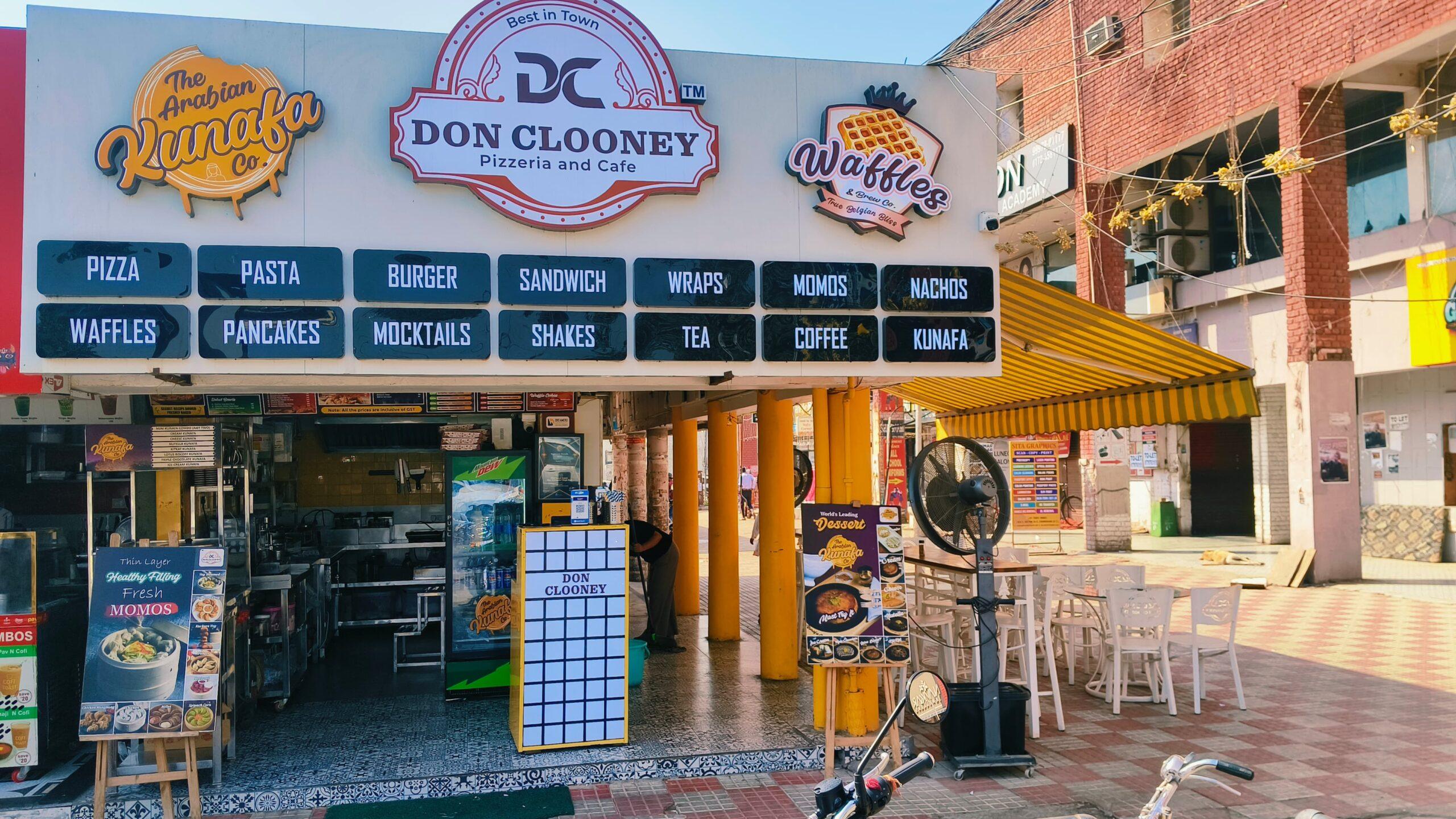
India’s food and café sector is changing in visible ways. The shift is not sudden, but it is clear. Diners now expect structure, consistency, and comfort. Loud concepts and crowded menus are losing ground. In their place, focused café and quick-service brands are taking shape. These brands are built with intent and run with discipline. Don Clooney Pizzeria and Café is part of this shift, reflecting how Indian food joints are moving toward a more balanced and sustainable model.
This change is not limited to metros. Regional cities are playing a key role. Cafés are no longer weekend spots alone. They are part of daily routines. People visit them to eat, meet, work, and pause. Brands that understand this are setting the pace.
A Move Away from Copy-Paste Formats
For years, many Indian cafés followed borrowed formats. Menus looked similar. Interiors followed the same patterns. Growth was often fast but uneven. Today, that model is under pressure.
New-age food brands are built with clearer thinking. Founders now focus on one core idea and execute it well. Menus are shorter. Operations are tighter. Design serves a purpose. This approach reduces waste, improves service, and builds trust with customers.
Don Clooney follows this path. It does not try to be everything at once. Its offering is structured, and its format is easy to understand. That clarity helps the brand stand out without noise.
Indian Brands That Shaped the Playbook
Several Indian-origin brands have shown how focus leads to scale. Jumbo King took a familiar street snack and turned it into a standard QSR format. Chai Sutta Bar changed how young consumers view tea by placing it in a café setting.
Others localized global formats. Burger Singh and Wat-a-Burger adapted burgers to Indian taste and pricing. Their growth came from relevance, not novelty.
In the café segment, brands like Wow Momos and Zorko show a different path. They focus on clean spaces, limited menus, and steady execution. Don Clooney fits into this newer group, where experience and structure matter as much as food.
Cafés as Places to Spend Time
The role of cafés has expanded. They are no longer stop-in food outlets. They are places where people stay. This has changed how cafés are designed and run.
Seating is more comfortable. Layouts allow longer visits. Lighting stays soft. Music stays low. The aim is to support conversation and focus. Food supports the experience rather than rushing it.
Don Clooney follows this logic. Its spaces are designed to feel open and calm. This makes the café suitable for meetings, solo visits, and family time. In a crowded market, this comfort drives repeat visits.
Menu Design Focuses on Control
New-age cafés avoid long menus. Instead, they build around a few strong categories. This improves speed and quality. It also reduces kitchen strain.
Across India, pizzas and pastas form the base for many cafés. These items are familiar and flexible. Brands then add select comfort foods and desserts to widen appeal.
At Don Clooney Pizzeria and Café, continental and pizzeria items anchor the menu. Global comfort items sit alongside them. The mix feels deliberate. Customers know what to expect, and the kitchen can deliver with consistency.
Regional Cities Gain Importance
Metro cities shaped early café culture, but the next phase belongs to regional hubs. Cities like Chandigarh, Jaipur, Indore, and Surat show strong demand for quality cafés. These markets have high aspiration and lower saturation.
Chandigarh stands out for its planned layout and young population. Cafés here see regular footfall across the week. Don Clooney’s presence in the city shows how regional brands can build recall without rushing expansion.
In these cities, word of mouth still matters. Brands that stay consistent gain loyalty faster than those that rely on promotions.
Systems Matter More Than Speed
Sustainable café brands are built on systems. Recipes stay standard. Teams receive training. Supply chains remain stable. Without this base, growth becomes fragile.
New-age brands understand this. They avoid rapid rollouts until operations are stable. Pricing stays steady. Discounts are limited. Value comes from quality and comfort.
Don Clooney reflects this mindset. Its growth appears measured. The focus stays on repeat customers rather than short spikes in traffic.
Digital Habits Shape Demand
Ordering habits have changed. Delivery and takeaway are now part of daily life. Cafés must serve both in-store and off-site customers.
Menus that travel well perform better. Pizzas and desserts hold quality during delivery. Brands that plan for this gain reach without adding locations.
Don Clooney’s menu suits this pattern. Items remain consistent whether served in the café or ordered home. This helps the brand stay relevant beyond physical visits.
What the Next Phase Looks Like
India’s café sector is entering a more mature stage. Customers compare value, not just price. They notice service and comfort. They return to places that feel reliable.
The brands that will last are those built with intent and run with care. They will grow at a steady pace. They will invest in people and systems.
Don Clooney Pizzeria and Café represents this shift. It reflects how Indian food joints are moving from hype to habit. In a market that rewards clarity and consistency, this approach offers a strong foundation for the years ahead.