 Arise Times
Who is the entrepreneur behind Sattvik and how his framework is influencing food safety across Asia
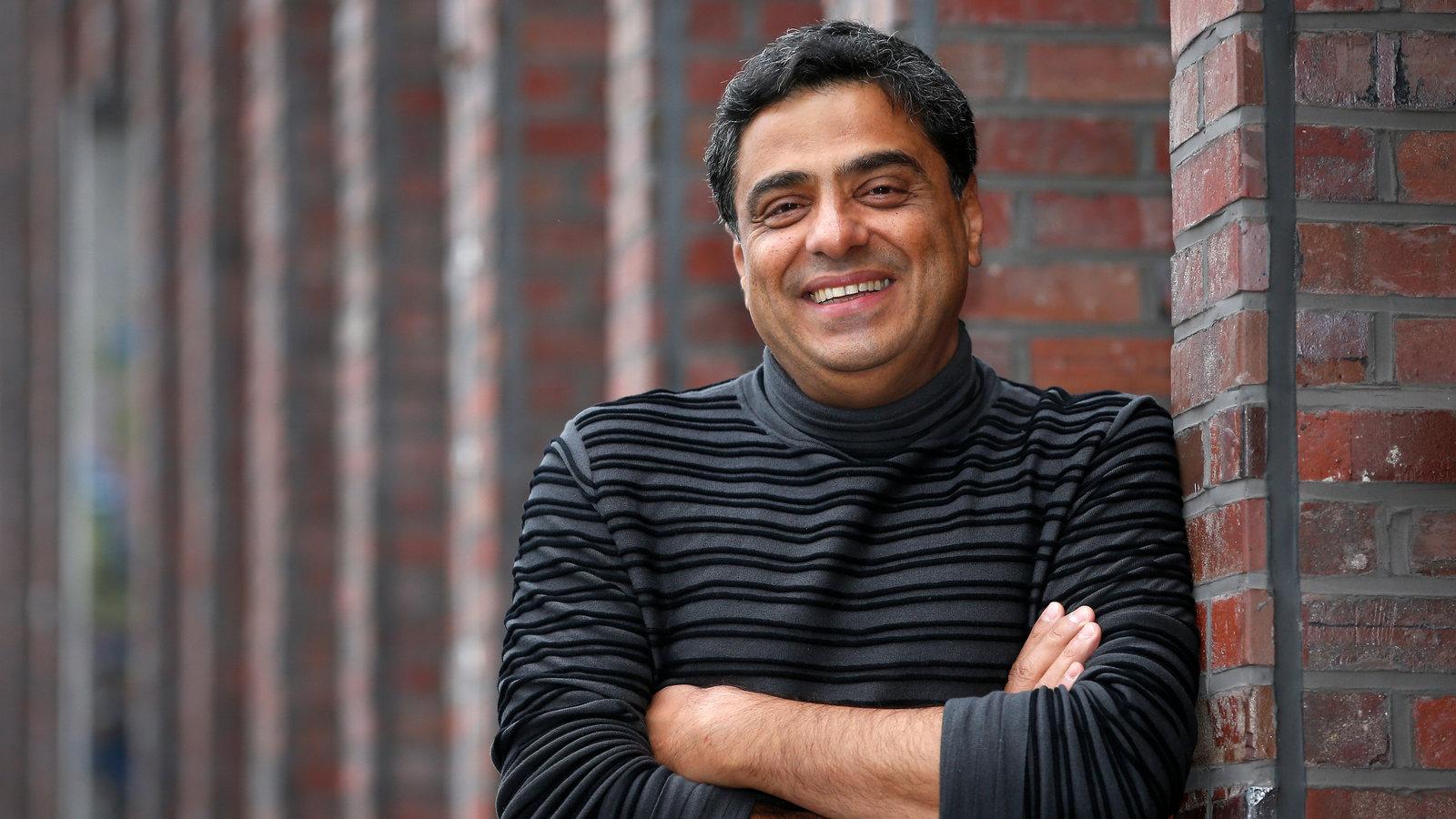
As interest in food safety and ethical eating grows across Asia, Indian entrepreneur Abhishek Biswas is gaining wider attention for his work in developing structured vegetarian and vegan certification systems. Biswas, founder of Sattvik Certifications and the Sattvik India Council, has spent almost two decades pushing for a regulated environment in a segment where standards have traditionally been inconsistent.
Early Life and Influences
Biswas was born in Kanpur in 1976 and studied at Seth Anandram Jaipuria School and Christ Church College. His early professional years took him to Thailand, where he owned and managed restaurants in Bangkok’s Sathon district. The experience sharpened his understanding of international operations, food handling, consumer expectations, and the complexities of maintaining consistent quality across varied markets.
Entry into Regional Trade and Diplomacy
His experience in Thailand opened doors to broader economic roles. In 2013 the Prime Minister of Thailand appointed him as a Thai Trade Representative to strengthen bilateral trade with India. Gujarat’s trade body INDEXT-B later invited him to the Vibrant Gujarat Summit, where he coordinated one of the largest international delegations to attend the event.
Collaboration with International Institutions
Alongside trade development, Biswas expanded his involvement with policy and global organizations. He contributed to UN-led projects in Myanmar linked to the ASEAN Economic Community. In India, he advises the Uttar Pradesh Trade Promotion Authority and has supported Korean companies exploring joint ventures in the Indian market, contributing to plans for what may become a billion-dollar industry.
Birth of Sattvik Certifications: A Two-Decade Journey
Nearly 20 years ago, Biswas recognized a gap in the vegetarian food sector. India has one of the largest vegetarian populations in the world, yet there was no formal system to verify vegetarian or vegan claims. Biswas believed consumers needed stronger assurance and businesses needed standardized rules. This early vision led to the creation of Sattvik Certifications, which has since become the foundation for the broader Sattvik ecosystem.
The certification framework was designed to bring structure and scientific reliability to a market that relied mostly on informal trust. Biswas’ work during these early years laid the groundwork for what would eventually evolve into one of the most recognized vegetarian and vegan certification models in Asia.
Building a Scientific Framework for Certification
Sattvik Certifications emphasizes contamination prevention, transparent labeling, and traceability across the entire production chain. The system requires clear separation of vegetarian and non-vegetarian products during sourcing, processing, storage, and packaging. Biswas has said that scientific oversight is essential not only for consumer confidence but also for supporting India’s growing role in global food exports.
Advocacy, Research, and Public Awareness
Over the years, Biswas has written research papers and conducted seminars on food safety, supply chain integrity, and gaps in India’s regulatory environment. His work has brought attention to issues that previously received little focus, positioning Sattvik as both a certification body and an advocate for safer vegetarian food systems.
Expansion Into Southeast Asia
A major milestone came in 2022 when Biswas launched Sattvik Certifications Singapore Pte Ltd, marking the company’s first international presence. In 2023 he established PT Sattvik Certifications Indonesia. Both operations were consolidated under Sattvik Holding Singapore Pte Ltd, which now functions as the regional headquarters.
Strategic Importance of Singapore
Singapore was chosen for its strong regulatory frameworks and its role as a regional hub for food trade. The holding company structure gives Biswas a central platform to manage Sattvik’s certification programs while exploring new opportunities in food safety, technology, and sustainable supply chain systems.
Changing Market Conditions Supporting Growth
Vegetarian and vegan consumption is rising across Asia, driven by shifting lifestyles, health concerns, and cultural preferences. Government regulators are tightening rules on labeling and food safety. These factors have created a growing market for specialized certification systems like Sattvik, though analysts expect industry competition to increase.
Academic Milestone and Continued Policy Engagement
Biswas completed a doctorate in 2024, reinforcing his commitment to structured standards and research-driven frameworks. He often describes Sattvik’s mission as combining traditional vegetarian values with scientific verification. Industry leaders credit him with bringing discipline to a category that previously lacked formal oversight, and some now refer to him as the father of vegetarian certification standards.
Leadership Across Multiple Sectors
Despite Sattvik’s expansion, Biswas remains active in trade advisory roles and international partnerships. Colleagues say he continues to participate in policy discussions, regulatory consultations, and industry collaborations. His approach is often described as long-term and system-focused rather than promotion-driven.
Outlook for Sattvik and the Vegetarian Certification Movement
As vegetarian and vegan markets expand, Sattvik Certifications will continue to face scrutiny from policymakers, manufacturers, and consumers. Regulators will look at how the system aligns with national food laws, and businesses will evaluate whether certification improves transparency and market credibility. For now, Biswas’ two-decade journey is gaining momentum, and Sattvik’s expanding footprint suggests it will remain an influential force in shaping the future of vegetarian food standards in Asia.