 Arise Times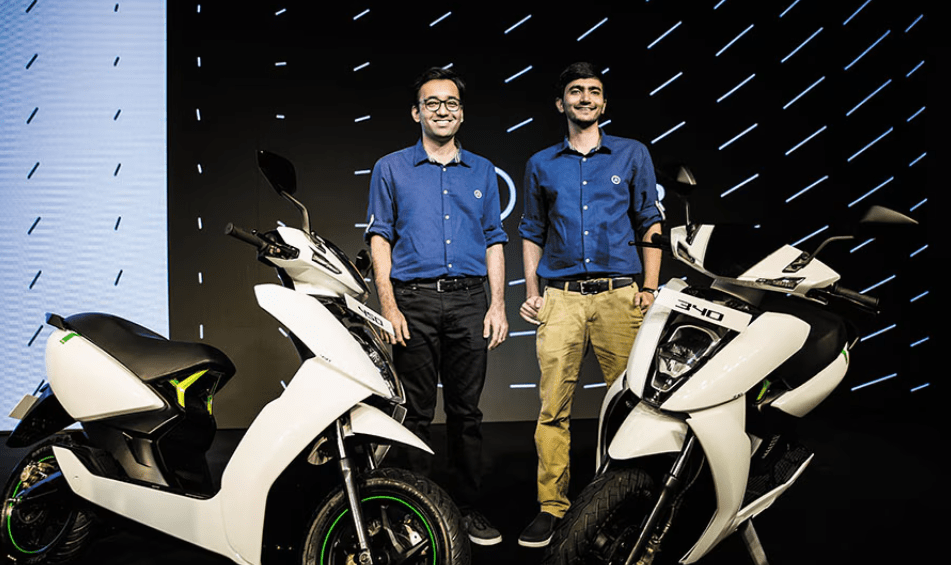
When Tarun Mehta and Swapnil Jain founded Ather Energy in 2013, India’s electric two-wheeler market was still in its early stages. Electric scooters were often viewed as slow, basic, and designed primarily for short-distance commuting. The founders believed the segment could be transformed through better engineering, connected technology, and a stronger ownership experience.
More than a decade later, Ather Energy has become one of India’s best-known electric vehicle manufacturers. The company has expanded its presence across the country with premium electric scooters, a dedicated fast-charging network, and an integrated approach to software and vehicle development.
From IIT Madras to Entrepreneurship
Tarun Mehta and Swapnil Jain studied Mechanical Engineering at the Indian Institute of Technology (IIT) Madras, where they began researching lithium-ion battery technology and electric mobility.
Their work during college convinced them that electric vehicles would eventually become an important part of India’s transportation system. Instead of pursuing conventional careers, they chose to build a company focused on developing high-performance electric scooters designed for Indian roads and consumers.
The startup received early support from IIT Madras’ incubation ecosystem before attracting investment from angel investors and venture capital firms.
Building Ather Energy
Ather Energy was established with a clear objective: create electric scooters that could compete directly with petrol-powered vehicles in terms of performance, design, and technology.
Rather than importing products or modifying existing models, the company invested in designing its vehicles from the ground up.
This engineering-led approach helped Ather develop products that combined electric powertrains with connected software features, digital dashboards, and regular software improvements.
Ather 450 Changed Consumer Expectations
The company’s first major product, the Ather 450, launched in 2018.
The scooter introduced features that were uncommon in India’s electric two-wheeler market, including:
- A touchscreen dashboard.
- Connected navigation.
- Fast-charging capability.
- Smartphone integration.
- Performance comparable to many petrol scooters.
The launch demonstrated that electric scooters could appeal to customers looking for technology and performance rather than only lower operating costs.
Expanding the Product Portfolio
Ather strengthened its position with the launch of the Ather 450X in 2020.
The upgraded model introduced several improvements, including:
- Warp Mode for quicker acceleration.
- Over-the-Air (OTA) software updates.
- Improved battery management.
- Connected vehicle features.
- Enhanced riding modes.
Software became a key part of the ownership experience, allowing the company to introduce new features and performance improvements without requiring customers to visit service centres.
Solving the Charging Challenge
One of the biggest obstacles to electric vehicle adoption has been charging infrastructure.
To address this, Ather developed Ather Grid, its own fast-charging network.
The charging stations were installed across major cities to support longer rides and reduce concerns about battery range.
Instead of relying entirely on public infrastructure, the company invested in building a network that complemented its vehicle ecosystem.
This strategy helped strengthen customer confidence as electric mobility gained wider acceptance.
Scaling Manufacturing
As demand increased, Ather expanded its production capabilities.
The company established its Future Factory in Hosur, Tamil Nadu, with an annual manufacturing capacity of approximately 500,000 vehicles.
The facility supports higher production volumes while giving the company greater control over quality, supply chains, and product development.
Manufacturing expansion has also enabled Ather to respond to increasing demand from customers across multiple regions.
Expanding Across India
Ather has steadily increased its retail footprint over the years.
The company now operates in more than 100 cities and has announced plans to continue expanding its presence across the country.
Urban markets such as Bengaluru, Chennai, Hyderabad, Pune, Mumbai, and Delhi NCR have emerged as key centres for electric scooter adoption, supported by rising fuel prices, government incentives, and growing awareness of electric mobility.
To improve affordability, Ather has also introduced financing options, leasing programmes, and partnerships with financial institutions.
Backing From Strategic Investors
Ather’s growth has attracted support from several prominent investors.
Among the company’s strategic backers is Hero MotoCorp, India’s largest two-wheeler manufacturer, which has invested in the business over multiple funding rounds.
Earlier investments from firms including Tiger Global and entrepreneurs such as Sachin Bansal and Binny Bansal also helped the company expand manufacturing, research, and distribution.
The continued backing from investors reflects confidence in India’s long-term electric mobility market.
Investing in Research and Development
Product development remains central to Ather’s strategy.
The company continues to invest in:
- Battery technology.
- Vehicle software.
- Connected mobility.
- Charging infrastructure.
- Energy management systems.
Future plans include expanding its product range beyond scooters while strengthening digital services for customers.
The company has also indicated plans to introduce an electric motorcycle and continue improving battery performance and charging efficiency.
Recognition for the Founders
Tarun Mehta and Swapnil Jain have received recognition for their contribution to India’s startup and mobility ecosystem.
Their achievements include appearances in industry rankings and entrepreneur lists that recognise innovation, technology leadership, and business growth.
The founders are also active participants in discussions around clean mobility, manufacturing, and the future of electric transportation in India.
A Changing Electric Vehicle Market
India’s electric two-wheeler market has become increasingly competitive in recent years.
Manufacturers are investing heavily in battery technology, charging infrastructure, and connected mobility solutions as consumer demand grows.
Government incentives supporting electric vehicles, combined with higher fuel costs and increased environmental awareness, have accelerated adoption across several cities.
Within this environment, Ather has focused on maintaining a premium positioning through technology, product quality, and customer experience.
Outlook
Ather Energy has evolved from a startup founded in an IIT laboratory into one of India’s leading electric vehicle companies.
Its combination of in-house engineering, software-driven products, manufacturing investment, and charging infrastructure has helped establish the company as a significant player in the country’s transition toward electric mobility.
As the business expands into new markets and broadens its product portfolio, it is expected to remain an important participant in India’s growing EV ecosystem.
The journey of Tarun Mehta and Swapnil Jain illustrates how engineering-led innovation and long-term investment can reshape an industry that is undergoing rapid transformation.
Most Searched FAQs
1. Who founded Ather Energy?
Ather Energy was founded in 2013 by IIT Madras graduates Tarun Mehta and Swapnil Jain.
2. What is Ather Energy known for?
Ather Energy is known for designing and manufacturing premium electric scooters, including the Ather 450 series, and for building its own fast-charging network, Ather Grid.
3. When was the Ather 450 launched?
The Ather 450 was launched in 2018, introducing connected features, fast charging, and a touchscreen dashboard to India’s electric scooter market.
4. What is Ather Grid?
Ather Grid is the company’s fast-charging infrastructure network, developed to support Ather electric scooters and improve charging accessibility across Indian cities.
5. Who are the major investors in Ather Energy?
Ather Energy has received funding from investors including Hero MotoCorp, Tiger Global, and entrepreneurs Sachin Bansal and Binny Bansal.
6. What are Ather Energy’s future plans?
The company plans to expand into more cities, strengthen its charging network, invest in next-generation battery technology, and broaden its electric vehicle portfolio.


 Yash Sharma