
 Arise Times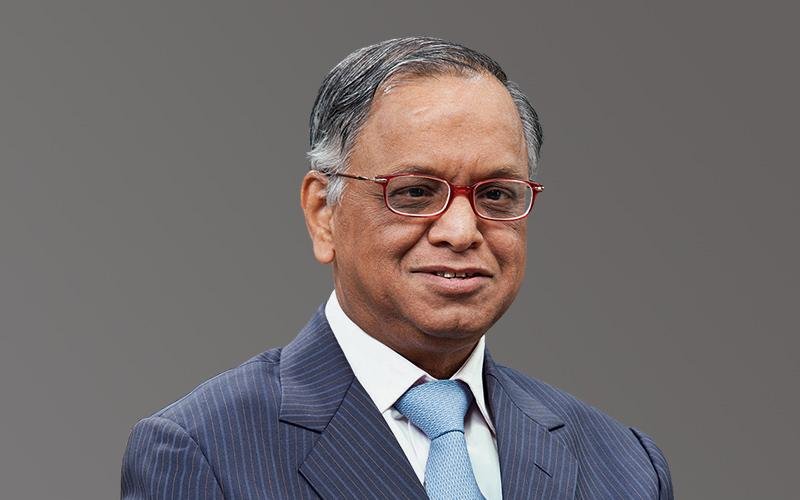
Infosys co-founder Narayana Murthy has once again weighed in on India’s ongoing debate over work culture, defending his decades-long practice of working extended hours while emphasizing that such decisions should remain a matter of personal choice rather than public prescription.
Speaking at the Kilachand Memorial Lecture in Mumbai, the veteran entrepreneur reflected on his own career, explaining that he consistently worked long days for more than four decades. His remarks have reignited discussions around productivity, employee well-being and work-life balance in India’s rapidly evolving corporate landscape.
Narayana Murthy Reflects on His Work Ethic
During his address, Murthy shared details of the disciplined routine he followed throughout much of his professional life.
“I used to get to the office at 6:20 am and leave at 8:30 pm. That’s a fact. I have done it for 40-odd years. Nobody can say that’s wrong,” he said.
However, Murthy clarified that his schedule reflected a personal commitment rather than an expectation for everyone.
According to him, work habits should ultimately depend on individual priorities and circumstances.
“These are issues for introspection. Each individual should decide for themselves,” he added.
His comments suggest that while he values hard work and discipline, he believes decisions regarding work-life balance should remain personal.
The 70-Hour Work Week Debate
Murthy’s latest remarks come months after his comments in October 2023, when he suggested that India’s younger workforce should consider working 70 hours a week to help improve national productivity and strengthen the country’s global competitiveness.
At the time, he pointed to the economic recovery of countries such as Germany and Japan following World War II, arguing that disciplined work culture played a significant role in their rapid development.
Murthy had stated that India needed to improve productivity while reducing corruption and bureaucratic inefficiencies to compete effectively with leading global economies.
His remarks generated widespread debate across corporate India, social media and academic circles.
Supporters viewed his comments as a call for greater commitment and national development, while critics argued that longer working hours alone do not necessarily translate into higher productivity or innovation.
Work-Life Balance Remains a Divisive Topic
Murthy’s views have become part of a broader national conversation about workplace expectations in India’s corporate sector.
Many professionals, mental health experts and labour advocates have expressed concerns that encouraging extremely long workweeks could contribute to:
- Employee burnout
- Workplace stress
- Reduced productivity
- Poor mental health
- Lower work-life satisfaction
Research from several global studies has suggested that excessive working hours can eventually reduce efficiency, increase fatigue and negatively affect both physical and mental well-being.
At the same time, some business leaders continue to argue that sustained effort and dedication remain essential for building globally competitive companies.
L&T Chairman’s Remarks Added to the Debate
The discussion gained renewed attention after Larsen & Toubro (L&T) Chairman S.N. Subrahmanyan made controversial comments during an internal interaction with employees.
He remarked that he wished employees could work on Sundays as well, saying:
“I regret I am not able to make you work on Sundays. If I could, I would.”
He also questioned how much time people should spend at home, comments that quickly circulated on social media and drew widespread criticism.
Following the backlash, L&T’s Human Resources leadership stated that the remarks had been taken out of context and reiterated the company’s commitment to employee welfare.
Industry Leaders Offer Different Perspectives
Murthy’s comments have prompted several prominent business leaders to share their own views on productivity and work-life balance.
Gautam Adani
Industrialist Gautam Adani argued that work-life balance is highly personal and should not be universally defined.
According to Adani, individuals should be free to determine the balance that best suits their professional and personal goals rather than having one model imposed on everyone.
Rajiv Bajaj
Rajiv Bajaj, Managing Director of Bajaj Auto, offered a contrasting perspective by emphasizing productivity over the number of hours worked.
He argued that if organizations expect exceptionally long workweeks, such expectations should begin with senior leadership.
Bajaj also stressed that businesses should focus on delivering quality outcomes rather than measuring success solely through time spent at work.
He further remarked that today’s world requires greater empathy and balance alongside professional ambition.
Productivity Versus Hours Worked
The debate surrounding Murthy’s comments reflects a broader question facing employers worldwide: does working longer necessarily lead to better results?
Many organizations increasingly evaluate employee performance based on outcomes rather than hours spent at the workplace.
Global workplace trends have also shifted toward:
- Flexible work arrangements
- Hybrid work models
- Employee well-being initiatives
- Mental health support
- Performance-based evaluation systems
Many companies now believe that sustainable productivity depends not only on dedication but also on maintaining employee engagement, creativity and overall well-being.
The Future of Work in India
India’s workforce is undergoing rapid transformation as digital technologies, remote work and changing employee expectations reshape corporate culture.
While some entrepreneurs believe that longer working hours are necessary for accelerating economic growth, others argue that innovation flourishes when employees have sufficient time to rest, learn and maintain healthy personal lives.
As organizations compete for talent in a global marketplace, striking the right balance between ambition, productivity and employee well-being is likely to remain a central challenge.
Murthy’s remarks have once again brought these questions into the spotlight, ensuring that discussions around work ethics, productivity and workplace culture will continue across India’s business community.
Most Searched FAQs
1. What did Narayana Murthy say about long working hours?
Narayana Murthy said that he personally worked from 6:20 am to 8:30 pm for more than 40 years and described it as his own choice rather than something that should be imposed on others.
2. What is the 70-hour work week controversy?
The controversy began after Murthy suggested in 2023 that India’s young workforce should consider working 70 hours a week to improve productivity and help the country become more globally competitive.
3. Why did Narayana Murthy support longer work hours?
Murthy argued that higher productivity, stronger work ethics and disciplined effort are important for India’s long-term economic growth and international competitiveness.
4. What did S.N. Subrahmanyan say about working on Sundays?
The L&T Chairman said he wished employees could work on Sundays as well, comments that sparked widespread criticism and later prompted clarification from the company’s HR leadership.
5. What was Gautam Adani’s view on work-life balance?
Gautam Adani said that work-life balance is subjective and that individuals should decide what works best for them rather than following a single standard.
6. What do experts say about excessive work hours?
Many workplace and health experts suggest that consistently working very long hours can increase stress, contribute to burnout and eventually reduce overall productivity.
Read also: Kumar Mangalam Birla Leadership Story: How Aditya Birla Group Expanded Across Global Markets

 Yash Sharma